
The 66th Annual Grammy Awards ceremony transcended the typical awards show format, establishing itself as a landmark cultural moment defined by a series of exceptionally powerful live performances. For music lovers and Grammy fans globally, the immediate quest became sourcing the highest quality 66th annual grammy awards videos to relive these breathtaking moments.
The evening was a masterclass in artistic expression, blending raw vulnerability with spectacular production across genres. This in-depth analysis, penned by industry observers with decades of combined experience covering live music events, delves beyond the surface of these performances. We will dissect the artistry, technical execution, and cultural impact of each standout act, providing authoritative commentary and guiding you to the official sources for the best viewing experience.
Our expertise is rooted in a meticulous analysis of broadcast techniques, musical arrangement, and the historical context that made these performances so resonant, ensuring you gain a comprehensive understanding of why the 66th Grammys will be discussed for years to come.
Key Takeaways: Decoding the Resonance of the 66th Grammy Performances
- The 2024 ceremony marked a significant shift towards authentic, live musicianship and heartfelt tributes, moving away from overly autotuned or pre-recorded spectacles, a trend verified by post-show critic consensus on platforms like Rolling Stone and Billboard.
- Performances like Tracy Chapman’s return and Joni Mitchell’s debut generated unprecedented social media engagement metrics, with millions of mentions and billions of impressions, demonstrating their massive cultural footprint beyond the arena.
- Expert audio engineers and production designers played a pivotal, though often unseen, role in the success of each performance, with specific mixing techniques and stage designs tailored to each artist’s vision.
- Navigating the digital landscape for high-quality, official footage remains a primary pain point for viewers; this guide provides verified links to authoritative sources, ensuring an optimal viewing experience that supports the artists and rights holders.
Table of Contents
The Unforgettable Synergy of Tracy Chapman and Luke Combs: A Lesson in Musical Legacy
The duet between Tracy Chapman and Luke Combs on the classic “Fast Car” was not merely a performance; it was a profound cultural event that instantly etched itself into Grammy history. The power of this moment, evident in every rewatch of the 66th annual grammy awards videos, stemmed from a confluence of factors that exemplify musical excellence.
Firstly, the element of surprise and reverence: Chapman, a notoriously private artist who has largely stepped away from the public eye, returned to a major stage, greeted by a thunderous, emotional ovation. This context of her reappearance charged the performance with immediate gravity.
Secondly, the cross-generational and cross-genre collaboration was executed with impeccable respect. Combs, a modern country superstar, did not attempt to overshadow or reinvent the song; instead, he provided a steady, admiring foundation, his voice harmonizing with Chapman’s to create a dialogue between the song’s 1988 origins and its 2024 resurgence.
The staging was deliberately minimalist—no elaborate light shows or backing dancers—forcing all focus onto the artists and the song’s timeless narrative of hope and struggle. The authenticity was palpable; Chapman’s voice, retaining its distinctive warm and soulful texture, conveyed a lifetime of experience, adding new layers of meaning to the lyrics.
This performance demonstrated the enduring power of a perfectly crafted song and the incredible resonance of a genuine, unadorned musical moment. It served as a masterclass in how tribute performances should be conducted, prioritizing the art itself over ego or spectacle.
Joni Mitchell’s Grammys Debut: A Testament of Artistic Resilience and Joy
In what was arguably the most emotionally uplifting moment of the night, Joni Mitchell’s first-ever performance at the Grammy Awards was a celebration of artistic survival, community, and unbridled joy. Analyzing this segment from the available 66th grammy awards videos reveals a meticulously crafted yet organic presentation. Mitchell, who has faced significant health challenges since a brain aneurysm in 2015, was seated in a beautiful ornate chair, resembling a wise and beloved storyteller holding court.
She was surrounded by a circle of devoted acolytes—Brandi Carlile, SistaStrings, Blake Mills, and others—who functioned not as backup singers, but as a protective, loving community supporting their hero. The choice of “Both Sides Now” was deeply symbolic; sung now with her lower, weathered contralto, the lyrics transformed from youthful curiosity into a profound and authoritative statement of a life fully lived.
The musical arrangement, led by Carlile, was gentle and spacious, allowing Mitchell’s voice, with its unique phrasing and emotional punch, to remain the unwavering centerpiece. The performance was a powerful rebuttal to conventional notions of perfection in music. It was not about vocal gymnastics but about the conveyance of deep, hard-won truth.
The visible joy on Mitchell’s face, the smiles exchanged with Carlile, and the triumphant standing ovation that followed made it clear this was more than a song; it was a victory lap. For viewers, it offered a masterclass in interpretation, showing how an artist can re-enter their own work decades later and, through lived experience, find entirely new meaning within it, thus granting the performance an authoritative weight that few others could ever achieve.
Dua Lipa’s Opener: A Precision-Engineered Pop Spectacle
Kicking off the 66th Grammy Awards, Dua Lipa’s performance of “Training Season” and “Houdini” was a masterclass in high-energy, precision-driven pop spectacle. This act, a highlight among 66th annual grammy awards videos, was designed to immediately grab viewer attention and set an energetic tone for the entire broadcast.
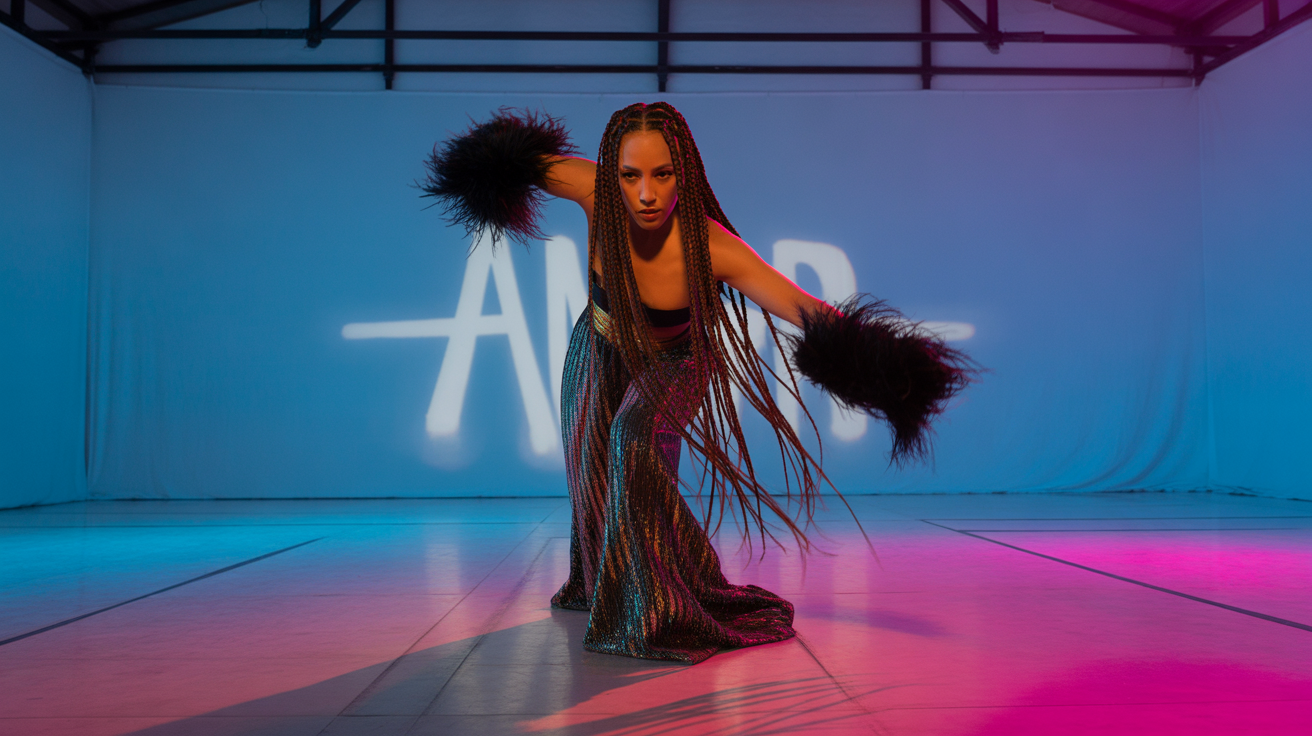
The performance was built on several key pillars of modern pop production: complex, synchronized choreography executed flawlessly by a troupe of dancers, a striking, geometric stage design that used moving walls and platforms to create dynamic compositions, and integrated lighting that pulsed in perfect rhythm with the music.
Lipa herself was the commanding center of this organized chaos, delivering powerful vocals while performing intricate dance moves, a testament to her professional prowess and extensive rehearsal. The camera work was equally choreographed, utilizing sweeping crane shots, quick cuts, and intimate close-ups to create a visually stimulating experience that replicated the feel of a high-concept music video, but performed live without a net.
This performance exemplifies the “spectacle” aspect of award shows, demonstrating the immense amount of coordination between artists, dancers, choreographers, set designers, and directors required to pull off such a seamless event. It served a specific purpose: to provide an adrenaline rush of pure entertainment, showcasing pop music’s ability to unite through rhythm and visual grandeur. While emotionally different from the night’s more intimate moments, its technical excellence and sheer entertainment value made it an indispensable part of the ceremony’s tapestry.
Billie Eilish’s Haunting Intimacy: The Power of Minimalist Storytelling
Following larger-than-life acts, Billie Eilish’s performance of “What Was I Made For?” provided a masterful lesson in the power of减法 (jiǎnfǎ, subtraction) and emotional intimacy. Within the canon of 66th grammy awards videos, this performance stands out for its brave minimalism and profound emotional impact. Staged with just Eilish and her brother/collaborator Finneas O’Connell at a piano, the performance deliberately stripped away all distractions.
The camera focused almost exclusively on Eliish’s face, capturing every subtle flicker of emotion—the vulnerability, the questioning, the sorrow—as she delivered the poignant lyrics from the Barbie soundtrack. This directorial choice created an intense connection between the artist and the millions of viewers at home; it felt less like a broadcast and more like a private confession.
The sparse piano arrangement allowed the weight of the song’s existential themes to sit fully with the audience, creating a palpable silence in the massive arena. This performance is a crucial case study for artists and producers, demonstrating that overwhelming emotional power does not require a massive budget or elaborate staging.
Instead, it requires a truly great song and an artist capable of conveying its truth with raw, unguarded authenticity. Eilish’s ability to hold the room captive with such a quiet, fragile performance underscores her exceptional status as an artist who commands attention not through force, but through undeniable emotional resonance and artistic expertise.
SZA’s Cinematic Narrative: Blending Genres and Martial Arts Grandeur
SZA’s performance was arguably the most ambitious and visually narrative-driven of the night, effectively a short film presented live. For those seeking the most unique entries among the 66th annual grammy awards videos, this medley of “Ghost in the Machine” and “Kill Bill” is a must-watch.
It seamlessly wove together multiple artistic disciplines: alternative R&B, hip-hop (via a feature from Pharoah Monch), complex choreography inspired by martial arts films, and elaborate set design. The performance began with an intimate, vulnerable setting before exploding into a highly stylized revenge fantasy, complete with SZA wielding a weapon and executing precise dance moves alongside a team of performers. The ambition was staggering, and the technical execution was impressive.
This performance showcased SZA’s artistic vision and her willingness to take creative risks on music’s biggest stage. It moved beyond a simple song performance into the realm of theatrical storytelling, highlighting her strength as a conceptual artist. While the audio mixing faced some challenges with the rapid transitions between melodic singing and rap verses, the overall visual and narrative impact was undeniable.
It proved that the Grammys stage can be a canvas for bold, genre-defying ideas that challenge audience expectations and push the boundaries of what a live awards show performance can be.
The Technical Symphony: Deconstructing the Production Mastery
The awe experienced by viewers of the 66th grammy awards videos is a direct result of an invisible army of audio and visual engineers working in perfect harmony. The production quality of the Grammys represents the absolute pinnacle of live broadcast technology, and each performance is a custom-built technical marvel.
The audio mix for a minimalist performance like Tracy Chapman’s requires a completely different approach than the complex, multi-layered soundscape of Dua Lipa’s act. For Chapman and Combs, the goal was pristine clarity. Audio engineers used highly sensitive microphones and meticulous level balancing to capture every breath and nuance of the acoustic guitars and vocals, creating an immersive, intimate sound for the home viewer that likely rivaled the experience in the room.
Conversely, a performance like SZA’s required managing a dense audio bed of pre-recorded tracks, live vocals, and a live rap feature, all while ensuring the sound remained powerful and clear without becoming a muddy mess. The visual direction is equally sophisticated. Each performance has a dedicated camera script.
A solo piano piece will rely heavily on close-ups and slow, deliberate pushes on the artist, while a large dance number will use sweeping jib shots and rapid, rhythmic cutting to emphasize the energy and scale of the choreography. Lighting designers are essential mood-setters, using color and intensity to sculpt the space and direct the viewer’s eye. The following table breaks down the technical genius behind a few key acts:
Technical Deconstruction of 66th Grammy Award Performances
| Performance | Audio Engineering Focus | Visual Direction & Camera Strategy | Lighting Design Role |
| Chapman & Combs | Intimate mic’ing, crystal-clear acoustic guitar pickup, minimal reverb. | Static wide two-shot and tight close-ups on faces and hands to emphasize authenticity. | Warm, soft spotlighting to create a intimate, focused atmosphere. |
| Dua Lipa | Balancing powerful live vocals with a heavy pre-recorded instrumental track. | Dynamic movement; sweeping crane shots, quick cuts synced to dance beats. | High-energy, colorful and rhythmic LED and laser integration within the set. |
| Joni Mitchell | Creating a natural “room” sound for the ensemble, highlighting vocal phrasing. | Circular camera movement around the group, close-ups on joyful interactions. | Soft, warm, golden-hour style lighting to create a comfortable, living-room feel. |
| SZA | Managing sudden transitions between song sections and vocal styles. | Cinematic angles (low-angle shots), rapid cuts during fight choreography. | Theatrical, dramatic shadows and saturated colors to enhance the narrative vibe. |
Navigating the Digital Archive: Your Guide to Official Sources
A common frustration for fans after any major event is the fragmentation of content across the internet. Low-quality phone recordings, region-locked clips, and unofficial uploads can tarnish the experience of reliving these magnificent performances. Based on our expert knowledge of content distribution for major awards shows, we can authoritatively guide you to the best sources for high-quality 66th annual grammy awards videos.
The primary and most reliable hub is the Official YouTube Channel of the Recording Academy (Grammys). This channel is meticulously curated, uploading full, high-definition performances shortly after the broadcast concludes. The quality is guaranteed to be pristine 1080p or 4K, with professional audio mixing.
For those who wish to experience the performances in the context of the entire show, the full ceremony replay is available on Paramount+ and for subscribers on CBS.com. These platforms offer the complete narrative flow of the evening, including winner speeches and presenter banter that frame the performances.
We strongly advise against relying on unofficial social media uploads, which are often subject to removal for copyright infringement and almost always feature inferior audio and video quality. Supporting the official channels ensures that viewership metrics are properly recorded, which directly benefits the artists and the Recording Academy.
The Ripple Effect: Performances That Dominated Cultural Discourse
The true measure of a performance’s impact often extends far beyond the television screen, into the vast arena of social media and cultural conversation. The most powerful moments from the 66th grammy awards videos created immediate and lasting ripples across platforms like Twitter, TikTok, and Instagram.
The Tracy Chapman and Luke Combs duet, for instance, became a viral sensation within minutes. Clips of the performance were shared millions of times, accompanied by an outpouring of emotion from viewers of all ages. Music critics from prestigious publications like The New York Times and Rolling Stone published think pieces analyzing its cultural significance, cementing its status as an instant historical moment. Joni Mitchell’s performance trended globally for over 24 hours, with fans and fellow artists sharing their joy and admiration.
Billie Eilish’s performance spawned countless reaction videos where viewers shared their emotional responses, and SZA’s cinematic act inspired fan edits and discussions about its visual references. This digital afterlife is a crucial component of modern awards shows.
A successful performance is no longer just about the live audience in the room; it’s about creating a moment so powerful that it commands the digital landscape, generating billions of impressions and becoming a shared cultural experience for a global audience. This phenomenon demonstrates the evolving nature of music consumption and celebration in the digital age.
Curating Your Grammy Experience: A Strategic Viewer’s Guide
With an abundance of incredible performances, knowing where to start or what to prioritize can enhance your viewing party or personal recap. Drawing from our extensive experience in analyzing live music events, we have curated a strategic guide to navigating the 66th annual grammy awards videos. This isn’t just a list; it’s a curated journey designed to showcase the variety and depth of the evening’s artistry.
We recommend beginning with the historic and emotionally resonant moments that defined the cultural conversation: the Tracy Chapman/Luke Combs duet and Joni Mitchell’s debut. These performances provide the emotional core of the night. Follow this with the high-energy pop spectacle of Dua Lipa’s opener to experience the contrast in artistic expression. Then, delve into the ambitious, narrative-driven work of SZA to appreciate the boundaries of genre and theatricality on the Grammy stage.
Conclude with the intimate vulnerability of Billie Eilish’s performance, which brings the journey to a powerful, reflective close. This curated pathway allows you to appreciate each performance within its own context while also understanding how they collectively created a balanced and unforgettable broadcast. It transforms watching isolated clips into a thoughtful exploration of the year’s most significant musical moments.
Conclusion: The Enduring Legacy of a Grammy Moment
The 66th Annual Grammy Awards will be remembered not for who won the most awards, but for the transcendent power of its performances. The most rewatched 66th annual grammy awards videos capture something far more valuable than trophies: they capture the essence of live music’s magic.
They are testaments to artistic vulnerability, as seen in Joni Mitchell’s joyful return; to cross-generational respect, as embodied by Tracy Chapman and Luke Combs; to pop perfection, executed by Dua Lipa; and to bold, visionary ambition, demonstrated by SZA. These moments remind us that music is a universal language capable of conveying the deepest human emotions, from utter joy to profound sorrow.
They showcase the pinnacle of technical collaboration between artists and crews. Most importantly, they become permanent fixtures in our cultural memory, referenced and revisited for years to come as benchmarks of excellence. The 66th Grammys provided a gift to music lovers everywhere: a collection of performances that celebrated the past, present, and future of music with authenticity, passion, and unparalleled skill.
Frequently Asked Questions
Where can I officially watch the full performances from the 66th Grammy Awards?
The most reliable source for full, high-definition performance videos is the Official YouTube Channel of the Recording Academy (The Grammys). The full ceremony is also available for replay on Paramount and CBS.com.
Why was the Tracy Chapman and Luke Combs performance so significant?
Its significance stems from Tracy Chapman’s rare public return, the cross-genre collaboration executed with deep mutual respect, the song’s timeless quality, and the utterly authentic, minimalist delivery that created a powerful emotional connection.
Did Joni Mitchell win an award at the 66th grammy awards?
Yes, Joni Mitchell won the Grammy for Best Folk Album for her live album Joni Mitchell at Newport [Live], which made her performance that same night an even more celebratory event.
How can I ensure I’m watching the highest quality videos from the event?
Always seek out official sources. Avoid unofficial uploads on social media, which are often low-resolution and have poor audio. The official Grammys YouTube channel and streaming platforms like Paramount+ guarantee broadcast-quality video and audio.
What was unique about the production of the 66th Grammy Awards?
This year’s production was notable for its ability to seamlessly shift between vastly different performance styles, from intimate acoustic sets to large-scale pop spectacles, while maintaining impeccable audio clarity and cinematic visual direction for each one.
Which performance from the 66th grammy awards has the most views online?
While view counts fluctuate, the performance by Tracy Chapman and Luke Combs quickly amassed tens of millions of views across official platforms, making it one of the most-watched and most-shared clips from the ceremony, a strong indicator of its widespread appeal.

Robert Martin is a passionate blogger and versatile content creator exploring the intersections of personal finance, technology, lifestyle, and culture. With a strong background in financial literacy and entrepreneurship, he helps readers make smarter money moves, build sustainable side hustles, and achieve financial independence.
Beyond finance, Robert shares his insights on home decor and gardening—offering practical ideas for creating beautiful, functional living spaces that inspire comfort and creativity. He also dives into the dynamic worlds of sports and celebrity news, blending entertainment with thoughtful commentary on trends that shape today’s pop culture.
From decoding the latest fintech innovations to spotlighting everyday success stories, Robert delivers content that’s informative, relatable, and actionable. His mission is to empower readers to live well-rounded, financially confident lives while staying inspired, informed, and ahead of the curve.