Choosing the best code language to learn can feel overwhelming, especially for students, career switchers, or absolute beginners entering the vast tech landscape. The abundance of programming languages, each with unique features and uses, can cause confusion and hesitation. Yet, understanding which language aligns best with your goals and learning style is a critical first step toward a successful and fulfilling career in technology.
This comprehensive guide will unravel the complexities and help you identify the most suitable programming language to start your coding journey confidently. Drawing on industry insights, real-world use cases, and expert opinions, this article is designed to empower curious learners with clear, trustworthy guidance. Whether your aim is web development, data science, mobile app creation, or simply acquiring fundamental programming skills, you will find the information you need here.
Key Takeaways: Your Guide to the Best Code Language to Learn
Before diving deeper, here’s a snapshot of the top programming languages most suitable for beginners, categorized by their ease of learning, community support, and career potential.
- Python: Ideal for beginners due to its clean, readable syntax and versatility in areas such as web development, AI, and automation.
- JavaScript: Essential for interactive web applications; bridges front-end and back-end development.
- HTML/CSS: Not traditional programming languages but fundamental for creating and designing websites.
- Scratch: Visual programming that’s perfect for children or absolute novices to understand coding logic without typing syntax.
- Java: A bit more complex but widely used in Android app development and enterprise solutions.
Each language serves a distinct purpose and career path, so your choice should consider your interests and the kinds of projects or jobs you want to pursue.
Table of Contents
Why Choosing the Best Code Language to Learn Matters
Deciding on the best code language to learn is more than just picking a tool; it shapes how you approach problem-solving and the doors that open for your career. The first programming language you choose will introduce you to coding logic, workflows, and the developer mindset, so selecting one with a clear path to your goals can dramatically reduce frustration and increase motivation.
Consider the example of Maria, a college student who chose Python due to its simple syntax and vast applications in data science, a field she was passionate about. Within months, she built small projects analyzing social media data and secured an internship using those skills. On the flip side, Jason, a newbie attracted to flashy languages like C++, struggled for months with complex syntax before switching to JavaScript, which better suited his interest in web development.
This anecdote illustrates the importance of matching a language’s complexity and ecosystem with your individual objectives. The “wrong” choice can feel discouraging, but it’s important to remember that programming skills are transferable. Once you grasp one language, learning others becomes more manageable. Still, starting with a language that’s beginner-friendly and relevant to your ambitions streamlines your learning curve and boosts your confidence.
When considering languages, think about:
- The language’s complexity: Will it overwhelm a beginner?
- Community and resources: Are tutorials and help widely available?
- Career relevance: Does it align with job market demands or your dream role?
Understanding these factors will help you narrow down your options and build a strong foundation for your programming journey.
What Makes a Programming Language Beginner-Friendly?
Choosing the best first coding language to learn hinges on understanding what makes a language accessible and engaging for beginners. Beginner-friendly languages share several common characteristics that simplify the learning process and promote steady progression:
Syntax Simplicity
A straightforward syntax reduces cognitive overload. For instance, Python’s syntax is often described as “executable pseudocode” because it reads like plain English. This clarity allows beginners to focus on programming concepts instead of struggling with complex punctuation or boilerplate code.
Strong Community and Support
An active community means abundant tutorials, forums, Q&A sites, and peer support. This network is invaluable when you encounter roadblocks. Languages like Python and JavaScript have large communities that produce free content and provide mentorship opportunities.
Immediate Feedback
Languages that let you see results quickly keep motivation high. JavaScript, running directly in browsers, lets you create interactive web pages without complex setup. HTML and CSS produce instant visual changes, which is rewarding for beginners.
Application
Choosing a language with practical use cases ensures you stay engaged. For example, Python’s applicability in data analysis and automation means your projects can solve real problems, enhancing learning relevance.
Learning Curve and Tools
Languages supported by beginner-friendly IDEs (Integrated Development Environments) or visual tools like Scratch reduce the barrier to entry.
In sum, the ideal beginner language balances ease of understanding, resource availability, and practical use. Selecting a language with these qualities boosts confidence and sets learners up for continued success.
Exploring the Top 5 Best Code Languages to Learn for Students and Newbies
Choosing the best programming language to learn first is nuanced and depends heavily on your goals and background. Here is an in-depth look at the top five languages recommended for beginners, backed by their strengths, typical use cases, and why they remain popular choices:
Python
Python leads as the top recommendation for beginners due to its remarkably clear syntax and broad applicability. It’s used extensively in web development (Django, Flask), data science (pandas, NumPy), artificial intelligence, and scripting.
Use Case: Instagram’s backend is largely Python-based, showcasing its scalability.
Python’s approachable syntax means learners can write functional programs after just a few days of study, making it ideal for self-learners and formal education.
JavaScript
JavaScript powers the interactive parts of websites and increasingly the back-end via Node.js. It’s essential for anyone interested in web development. Plus, frameworks like React and Angular boost its versatility.
Use Case: Netflix and LinkedIn use JavaScript extensively to deliver seamless user experiences.
JavaScript’s learning curve is steeper than Python’s due to asynchronous programming concepts, but it offers immediate gratification through browser-based testing.
HTML and CSS
While not programming languages, HTML and CSS are the foundation of all websites. Understanding these is critical for front-end developers and designers.
Use Case: Every website, from simple blogs to complex portals like Wikipedia, relies on HTML/CSS.
Their ease of learning and instant visual results make them perfect starting points.
Scratch
Developed by MIT, Scratch uses a block-based interface to introduce young learners or total novices to programming concepts without typing syntax. It’s widely adopted in schools.
Real-World Use Case: Scratch has enabled thousands of children globally to build interactive stories and games, fostering early computational thinking.
Java
Java is a stalwart in enterprise applications and Android mobile app development. It’s more verbose and syntactically strict but teaches good coding discipline.
Use Case: Large-scale banking systems and the Android OS heavily depend on Java.
Although challenging for absolute beginners, it offers deep understanding of object-oriented principles.
Quick Comparison Table of the Best First Coding Languages
To help visualize the strengths and challenges of each language, here’s a detailed table outlining key attributes relevant to beginners:
| Language | Difficulty Level | Primary Use Cases | Community Support | Learning Resources | Career Opportunities |
| Python | Easy | Web, Data Science, AI | Very Large | Extensive (free+paid) | Data Scientist, Web Dev, AI Eng |
| JavaScript | Medium | Web Frontend/Backend | Very Large | Extensive (free+paid) | Frontend/Full Stack Developer |
| HTML/CSS | Very Easy | Web Structure and Design | Large | Numerous tutorials | UI Designer, Web Developer |
| Scratch | Very Easy | Education, Logical Thinking | Large (educational) | Free (MIT platform) | Educational Use |
| Java | Medium | Android, Enterprise Software | Large | Wide resources | Software Engineer, Android Dev |
Matching Your Programming Language Choice to Career Goals
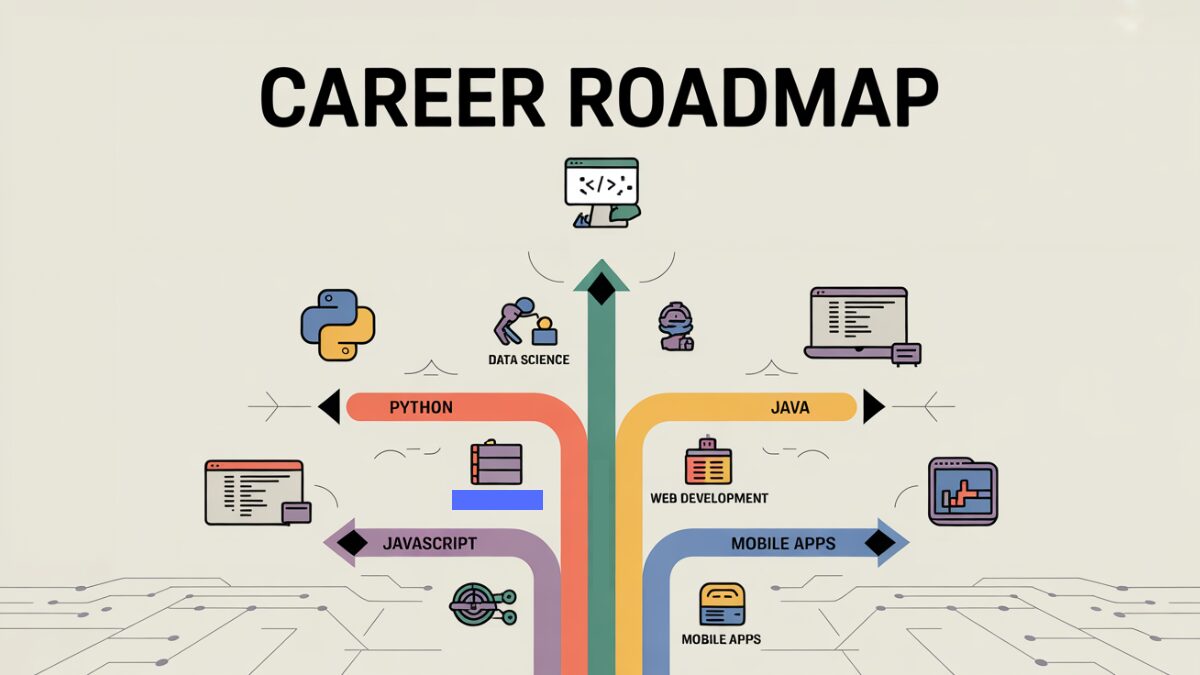
Your career aspirations should influence your choice of the best code language to learn. Each programming language unlocks different opportunities and specializations.
- Web Development: The starting trio here is HTML, CSS, and JavaScript. Together, they allow you to build the front-end experience users interact with daily.
- Data Science and AI: Python dominates this arena, favored for its powerful libraries and frameworks that facilitate data manipulation, visualization, and machine learning.
- Mobile App Development: Java and Kotlin are preferred for Android, while Swift is the go-to for iOS. For cross-platform apps, JavaScript frameworks like React Native are growing.
- Game Development: Python and C# (especially with Unity) are beginner-friendly ways to enter game programming.
- Cybersecurity and Automation: Python is widely used for scripting and automating security tasks.
Real success stories validate this approach: John, a former marketing analyst, transitioned to data science by learning Python and applied his skills to analyze market trends. Meanwhile, Amy, a graphic designer, learned HTML, CSS, and JavaScript to become a front-end developer creating responsive websites.
Overcoming the Fear of Choosing the Wrong Programming Language
Many beginners hesitate, fearing they might invest time in the “wrong” language. This fear is natural but often unfounded.
First, all programming languages share core concepts—control structures, variables, data types, and logic. Learning one language well equips you to pick up others more easily. For example, a beginner who masters Python will find JavaScript or Java easier to learn later.
Second, the tech industry values problem-solving skills and adaptability. Employers often care more about your ability to think algorithmically than which language you started with.
Industry experts echo this sentiment. Harvard’s CS50 professor, David Malan, emphasizes that the “best language to learn first is the one that lets you build projects you care about.” This emotional engagement drives persistence and skill acquisition.
Lastly, focus on learning fundamentals and building projects rather than memorizing syntax. The practical experience will cement your knowledge and prepare you for any language switch.
Top Learning Platforms and Resources for Beginners
Finding the right learning resources can accelerate your journey significantly. Here are some of the best platforms curated to support beginners learning the best code language to learn:
- freeCodeCamp: Completely free, project-based learning, especially strong for web development languages like JavaScript, HTML, and CSS. Offers certifications recognized by many employers.
- Codecademy: Interactive lessons with instant feedback, great for beginners learning Python, JavaScript, and others. Offers both free and paid tiers.
- Coursera: University-level courses including Harvard’s CS50, providing a deep introduction to computer science fundamentals and languages like C and Python.
- Udemy: Affordable, diverse courses on virtually every language and topic. User ratings help find the best content.
- MIT Scratch: Ideal for children and absolute beginners, it offers a drag-and-drop coding environment to learn programming logic.
Choosing a platform depends on your learning style, goals, and budget. Structured courses with community forums offer accountability, while self-paced platforms provide flexibility.
Comparing Free vs Paid Learning Resources: What’s Right for You?
Investing in your learning is valuable, but it’s important to weigh cost against benefits. Here’s a comparison:
| Resource | Cost | Certification | Community Support | Best For |
| freeCodeCamp | Free | Yes | Active | Self-motivated learners |
| Codecademy | Freemium | Yes | Interactive | Beginners needing feedback |
| Coursera | Freemium | Yes | Academic | Those wanting credentials |
| Udemy | Paid | Yes | Varied | Specific topics & projects |
| MIT Scratch | Free | No | Educational | Kids, absolute beginners |
Many learners start with free resources to explore interests and then invest in paid courses for specialization or mentorship.
Conclusion: Taking Your First Step with Confidence
The journey to mastering code begins with the simple but crucial choice of your first language. The best code language to learn is the one that aligns with your goals, keeps you motivated, and offers ample learning support.
Whether it’s Python’s readability, JavaScript’s versatility, or the visual logic of Scratch, each path holds unique opportunities. Remember, the language is a tool — your curiosity, consistency, and passion are what truly power your progress.
Start small. Build projects. Connect with communities. Your programming future begins with this one step.
Frequently Asked Questions
What is the best code to learn first for beginners?
Python is the most recommended due to its simplicity, versatility, and strong job market demand.
What is the best first coding language to learn for web development?
Start with HTML and CSS to build websites, then learn JavaScript for interactivity.
Which is the best programming language to learn first in 2025?
Python remains the top choice, especially for beginners aiming at data science, AI, or general software development.
What are good computer programming languages for beginners?
Python, JavaScript, HTML/CSS, and Scratch are excellent starting points depending on your interests.
What coding language should I learn if I want to build mobile apps?
Java and Kotlin are great for Android, Swift for iOS, and JavaScript frameworks for cross-platform apps.
What language of code should I learn to get a tech job quickly?
Python and JavaScript dominate job markets, so focusing on either based on your interest can open doors faster.

Robert Martin is a passionate blogger and versatile content creator exploring the intersections of personal finance, technology, lifestyle, and culture. With a strong background in financial literacy and entrepreneurship, he helps readers make smarter money moves, build sustainable side hustles, and achieve financial independence.
Beyond finance, Robert shares his insights on home decor and gardening—offering practical ideas for creating beautiful, functional living spaces that inspire comfort and creativity. He also dives into the dynamic worlds of sports and celebrity news, blending entertainment with thoughtful commentary on trends that shape today’s pop culture.
From decoding the latest fintech innovations to spotlighting everyday success stories, Robert delivers content that’s informative, relatable, and actionable. His mission is to empower readers to live well-rounded, financially confident lives while staying inspired, informed, and ahead of the curve.