The 2017 Billboard Top 100 stands as a profound cultural timestamp, a meticulously recorded ledger of the year we collectively surrendered to the rhythm of a Spanish-language anthem, embraced the raw energy of hip-hop’s new vanguard, and allowed algorithms and streaming playlists to become our primary curators of cool. This was not merely a list of popular songs; it was a dynamic, weekly chronicle of a industry undergoing a violent and exhilarating metamorphosis.
The chart’s very architecture had evolved, and the resulting billboard 100 songs 2017 reflected this new digital reality with startling accuracy. To analyze this list is to understand a pivotal moment where legacy systems collided with viral potential, where global sounds infiltrated the mainstream, and where the very definition of a “hit” was rewritten in real-time. This deep dive goes beyond nostalgia, offering a critical examination of the data, the players, and the seismic shifts that made the musical output of 2017 so uniquely influential and enduring.
Key Takeaways
- The Latin Music Revolution: “Despacito” shattered language barriers and records, proving unprecedented global appeal and catalyzing the Latin pop boom.
- Streaming is the New Radio: Chart methodology changes made streaming data the dominant factor, democratizing hit-making and rewarding viral momentum.
- Hip-Hop’s Commercial Peak: The genre moved from cultural influence to outright chart domination, driven by streaming and a new generation of stars.
- Pop Music’s Adaptation: Established megastars like Ed Sheeran and Bruno Mars evolved their sounds to compete, resulting in massive, genre-blending smashes.
- The Viral Wildcard: The new chart rules created a pathway for unpredictable, meme-driven hits to achieve massive commercial success.
Table of Contents
The Methodology Behind the Music: Decoding the 2017 Chart Algorithm
To truly grasp the composition of the 2017 billboard top 100, one must first understand the engine that powered it. Prior to 2017, radio airplay was the undisputed heavyweight in Billboard’s Hot 100 formula. However, recognizing the irreversible consumer shift towards on-demand listening, Billboard intensified the weighting of streaming data.
The final calculation became a carefully calibrated blend of radio airplay audience impressions, digital song sales, and streaming activity from key services like Spotify, YouTube, Apple Music, and Tidal. This wasn’t a minor tweak; it was a fundamental recalibration of power. This change is the single most important reason why the top 100 songs of 2017 looks so different from its predecessors. It democratized the process.
A song no longer needed a massive promotional budget for radio payola; it needed a hook that could capture millions of clicks and streams. This explains the presence of viral novelties, breakout rap tracks from the SoundCloud scene, and the sustained power of global phenomena like “Despacito,” which amassed billions of YouTube views.
The chart transformed from an industry-curated playlist into a real-time, data-driven reflection of actual public consumption, for better and for worse. This methodological shift established the blueprint for all subsequent years, making 2017 the true dawn of the modern charting era.
The Undisputed Monarch: Deconstructing the “Despacito” Phenomenon
No analysis of the billboard 100 songs 2017 is complete without a coronation of its undisputed king: “Despacito.” Luis Fonsi and Daddy Yankee’s reggaeton-pop fusion was more than a hit; it was a global cultural event that redefined the commercial possibilities for non-English music.
Its journey to tying the all-time record of 16 weeks at No. 1 is a masterclass in cross-cultural collaboration and digital-age momentum. The original version, released in January, was already a growing force in Latin markets. But the addition of a Justin Bieber remix in April 2017 acted as a nitro boost, launching it into the Anglo-dominated stratosphere of global pop. Bieber’s feature provided a familiar entry point for millions of listeners who might otherwise have skipped a Spanish-language track, demonstrating a savvy understanding of the market.
However, its success was underpinned by sheer, undeniable quality—an irresistibly danceable rhythm, Fonsi’s smooth vocals, and Daddy Yankee’s iconic verse. It dominated every metric: it was a radio staple, a digital sales juggernaut, and a streaming behemoth, famously becoming the first video to reach 5 billion views on YouTube. The song’s success wasn’t an anomaly; it was a revelation. It proved that linguistic barriers were crumbling in the face of a great melody and a compelling rhythm, permanently opening the 2017 billboard top 100 and future charts to a wider, more diverse world of music.
The Record-Breaking Domination of “Despacito”
| Metric | Achievement | Impact on the Music Industry |
| Weeks at No. 1 | 16 weeks (tied historic record) | Proved a non-English song could achieve the highest level of sustained success. |
| Streaming | First Spanish-language song to top Streaming Songs chart | Validated YouTube and streaming platforms as primary hit-makers. |
| Global Chart Success | No. 1 in over 50 countries | Signaled the arrival of a truly borderless pop market. |
| Cultural Legacy | Paved the way for J Balvin, Bad Bunny, Rosalía | Created the “Despacito Effect,” a lasting demand for Latin pop on mainstream charts. |
Streaming’s Triumphant Ascent: The New Rules of Hit-Making
The top 100 songs of 2017 is the ultimate testament to streaming’s final conquest over traditional music consumption. This was the year the paradigm didn’t just shift; it flipped entirely. The revised Billboard methodology meant that a song’s streaming numbers could easily outweigh its radio airplay, a previously unthinkable scenario.
This new rulebook directly explains the chart trajectories of several defining hits. Migos’ “Bad and Boujee” famously reached No. 1 primarily on the sheer force of its streaming numbers, becoming a meme-fueled anthem long before it received consistent radio support. Similarly, the melancholic and raw “XO TOUR Llif3” by Lil Uzi Vert, with its dark主题 and emotional vulnerability, became a surprise top 10 hit. Under the old system, its chances would have been negligible; its subject matter was too bleak for top 40 radio.
But on streaming platforms, where users craft personal playlists, it resonated deeply, becoming an anthem for a generation. This change rewarded engagement and cultural relevance over passive listening. It allowed for darker, more niche, and artist-driven tracks to find a massive audience without needing a radio programmer’s approval.
The billboard 100 2017, therefore, became a more authentic, if more fragmented and unpredictable, reflection of what people were actively choosing to listen to in their daily lives, cementing a new power dynamic between the industry and the audience.
Hip-Hop’s Chart Dominion: The Genre Cements Its Commercial Reign
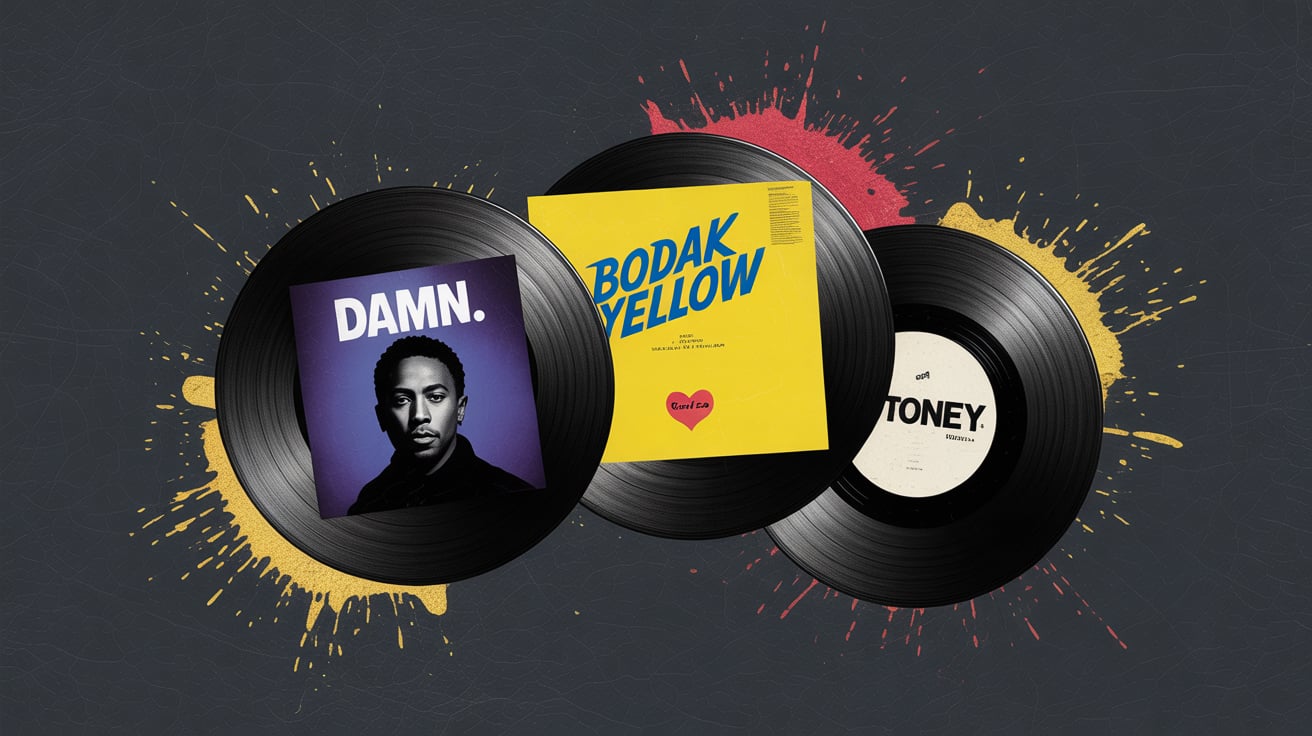
While streaming provided the platform, hip-hop provided the content that dominated the 2017 billboard top 100. The genre’s ascent from a potent cultural force to the unequivocal leader of popular music was finalized in 2017. This wasn’t about a few crossover hits; it was a comprehensive takeover. The sound of the chart was overwhelmingly dictated by trap beats, flows, and aesthetics. Kendrick Lamar, already a critical darling, achieved unparalleled commercial success with DAMN., an album that produced the assertive No. 1 hit “HUMBLE.” and several other charting singles.
The album would later win a Pulitzer Prize, underscoring the genre’s artistic credibility. Meanwhile, the melodic, auto-tune-heavy style of artists like Future and The Weeknd (whose project Starboy was deeply rooted in hip-hop and R&B) was utterly ubiquitous. However, the most significant narratives belonged to the newcomers. Cardi B’s “Bodak Yellow,” a song released with minimal industry backing, used a viral run on social media and streaming platforms to climb all the way to No. 1, making her the first female rapper to achieve a solo No. 1 since Lauryn Hill in 1998.
This was a historic, industry-shaking moment. Simultaneously, Post Malone’s “rockstar” featuring 21 Savage, a genre-blurring track that melded hip-hop with rock and moody ambience, became a monolithic hit, proving that the most successful artists were those who fluidly moved across genre lines. The 2017 billboard top 100 is the document that proves hip-hop wasn’t just popular; it was the new pop.
The Pop Counter-Offensive: Sheeran, Mars, and Swift Hold the Line
In the face of hip-hop’s dominance and Latin pop’s breakthrough, the traditional pop establishment did not retreat; it adapted and delivered some of the year’s biggest and most polished hits. These artists succeeded by embracing genre fusion and leveraging their massive, cross-demographic appeal. Ed Sheeran’s ÷ (Divide) album was a commercial leviathan. Its lead single, “Shape of You,” was a masterclass in pop craftsmanship.
With its minimalist marimba riff, tropical-house undertones, and relentlessly catchy chorus, it dominated the first half of the year, spending 12 weeks at No. 1 and becoming a fixture across all consumption metrics—radio, sales, and streams. Similarly, Bruno Mars’ 24K Magic album was a dedicated and impeccably executed throwback to 80s and 90s funk and R&B.
Tracks like the sleek “That’s What I Like” and the exuberant title track “24K Magic” were radio-friendly and critically acclaimed for their musicality, eventually earning Mars a Album of the Year Grammy. Even Taylor Swift, who strategically began her era later in the year, made a massive impact with the release of “Look What You Made Me Do.”
The song, a sharp pivot into darker, synth-pop territory, broke numerous streaming records upon release and debuted at No. 1, proving the enduring power of a meticulously planned pop rollout. These artists demonstrated that even in a fragmented landscape, mega-watt pop stardom, built on strong songwriting and broad appeal, remained a potent and chart-topping force.
The Virality Vortex: Memes, Moments, and Unexpected Hits
The new chart rules of 2017 created a fertile ground for unpredictability, leading to some of the most charming and bizarre entries in recent memory—true curiosities that defined the year’s eclectic spirit. These were songs that ascended not through traditional marketing campaigns but through the organic, often chaotic, engine of internet culture.
The success of Portugal. The Man‘s “Feel It Still” was one such surprise. A psychedelic pop-rock song that sounded like a lost track from the 1960s, it became an unlikely top-five hit, thanks to its infectious groove and relentless crossover appeal on alternative, pop, and even adult contemporary radio. Even more emblematic of the new era was the success of Lil Pump‘s “Gucci Gang.”
A minimalist, repetitious trap track that clocked in at under three minutes, it peaked at No. 3 almost solely on the strength of its viral popularity and staggering streaming numbers. It was a song that baffled industry critics but made perfect sense within the logic of meme culture and platform algorithms. Its hook was simple, its video was bizarre, and it became a ubiquitous social media presence.
These hits were proof that the billboard 100 2017 was now directly wired into the internet’s id, where any song, from any genre, could achieve monumental success if it captured the public’s fleeting and powerful attention.
Beyond the Number One: Critical Darlings and Deep Cut Discoveries
While the battle for the top spot captured headlines, the deeper reaches of the 2017 Billboard Top 100 housed incredible works of art that defined the year’s critical and aesthetic landscape. These songs often achieved respectable chart positions through a combination of dedicated fanbases, critical acclaim, and strong alternative radio play, offering a richer, more nuanced understanding of the year’s musical palate.
Lorde’s “Green Light,” the lead single from her acclaimed Melodrama album, was a brilliantly chaotic and emotionally raw piano-driven pop song that charted for its artistic audacity. The electronic duo The Chainsmokers continued their hot streak from 2016, placing multiple entries like the Coldplay collaboration “Something Just Like This,” which blended their signature drop-heavy production with arena-rock ambition. Imagine Dragons maintained their status as hitmakers with the anthemic “Believer,” a song that became synonymous with sporting events and movie trailers.
Perhaps most significantly, SZA’s breakthrough album Ctrl placed the sultry and vulnerable “Love Galore” (featuring Travis Scott) on the chart, signaling the arrival of a new and vital voice in R&B whose influence would only grow. Exploring these songs reveals a chart that was not just about viral moments and mega-hits, but also about sustained artistic achievement.
Deep Cuts and Critically Acclaimed Hits of the 2017 Chart
| Song & Artist | Peak Position | Why It Mattered |
| “Green Light” – Lorde | #19 | A critically adored, complex pop masterpiece that announced a new artistic maturity. |
| “Love Galore” – SZA ft. Travis Scott | #32 | Signaled the rise of a new, vulnerable, and genre-bending force in R&B. |
| “Something Just Like This” – The Chainsmokers & Coldplay | #3 | Showcased the successful fusion of EDM and arena-rock for a massive commercial audience. |
| “Believer” – Imagine Dragons | #4 | Continued the band’s dominance in creating anthemic, motivational alt-rock hits. |
The Enduring Legacy: How the 2017 Chart Blueprint Still Resonates
The lasting impact of the 2017 Billboard Top 100 cannot be overstated; it established the blueprint that still governs the music industry today. The primacy of streaming data is now an unquestioned fact, shaping release strategies, marketing campaigns, and even the length and structure of songs themselves.
The success of “Despacito” didn’t just open a door for Latin music; it blew the doors off the hinges, creating a permanent and lucrative space for Spanish-language and global music in the mainstream that paved the way for the subsequent global dominance of artists like Bad Bunny. The hip-hop dominance established in 2017 has only intensified, with the genre consistently accounting for the largest share of consumption year after year.
Furthermore, the chart demonstrated the power of the artist-as-brand, where personality and viral moments on social media could be just as important as the music itself in driving chart success. The top 100 songs of 2017 broke the old, rigid monoculture and created a new, more decentralized and democratic one. It was the year the audience’s voice, expressed through billions of streams and clicks, finally drowned out the traditional gatekeepers, setting the stage for the creatively chaotic and wonderfully diverse musical landscape of the present day.
Conclusion
The 2017 Billboard Top 100 was more than a ranking; it was a narrative of disruption, diversity, and digital revolution. It captured the sound of an industry in flux, embracing a new set of rules that prioritized the listener’s immediate choice over industry tradition. From the historic, globe-conquering rhythms of “Despacito” to the raw, streaming-powered energy of “Bad and Boujee” and the impeccable pop craftsmanship of “Shape of You,” the chart was a vibrant and chaotic tapestry that reflected a world connecting in new ways.
It was a year of undeniable anthems and unexpected left turns, where viral moments could translate into tangible success and where artistic innovation found new avenues to a mass audience. To listen back to this list is to hear the sound of the future arriving—a future that is more global, more digital, and more diverse than ever before.
Frequently Asked Questions
What was the #1 song on the Billboard 100 2017 year-end list?
The number one song on the 2017 year-end Billboard Hot 100 was “Shape of You” by Ed Sheeran. It’s important to distinguish between songs that spent the most weeks at No. 1 during the chart year and the year-end No. 1. While “Despacito” tied the record for the most weeks at No. 1 in a single chart run (16 weeks), the year-end list is a statistical calculation of the top-performing titles based on overall chart performance from December 2016 through most of 2017. “Shape of You”‘s massive success across all metrics—streaming, sales, and radio—across a longer portion of the eligibility period secured its position as the year’s top song.
Where can I find a complete and accurate list of all the Billboard 100 songs 2017?
The definitive source for the complete and official year-end top 100 songs of 2017 list is Billboard’s own website (Billboard.com). They publish the authoritative list that accounts for all Nielsen Music data. For a listening experience, most major streaming platforms like Spotify, Apple Music, and Amazon Music feature numerous user-generated and official playlists titled “Billboard Top 100 of 2017” or similar, which compile these songs for easy access.
Which artist had the most songs on the Top 100 Songs of 2017 list?
Kendrick Lamar had the most charting songs among all artists on the 2017 year-end list. This was primarily due to the immense success of his album DAMN., which produced multiple hit singles including “HUMBLE.” (which reached No. 1), “DNA.”, “LOYALTY. (feat. Rihanna),” and “LOVE. (feat. Zacari).” His critical and commercial dominance in 2017 is clearly reflected in this achievement.
How did a Spanish-language song like “Despacito” achieve such historic success on the chart?
“Despacito” achieved its historic success through a perfect storm of factors:
Catchy Foundation: The original song by Luis Fonsi and Daddy Yankee was an incredibly catchy reggaeton-pop hybrid that was already a massive hit in Latin markets.
Strategic Remix: The Justin Bieber remix provided a crucial gateway for Anglo audiences and radio programmers, making the song more accessible to a broader demographic without losing its original essence.
Streaming Dominance: It became a viral phenomenon on YouTube and audio streaming platforms, amassing billions of views and plays. This massive streaming data heavily influenced its chart position under Billboard’s new rules.
Cross-Cultural Appeal: Its infectious rhythm and danceable beat transcended language barriers, proving that a great melody could connect with a global audience.
Why was 2017 considered such a pivotal year for hip-hop on the Billboard charts?
2017 is widely considered the year hip-hop became the most dominant consumed genre in popular music. It wasn’t just about having a few big hits; it was a comprehensive chart takeover. This was driven by:
Streaming’s Rise: Hip-hop was (and is) the most-streamed genre. The new chart rules that favored streaming data directly benefited hip-hop artists.
A New Generation: Artists like Kendrick Lamar, Cardi B, Post Malone, and Migos led a new vanguard that blended trap production with melodic hooks, appealing to a vast audience.
Cultural Shift: Hip-hop moved from being a influential force to the central pillar of youth culture, dictating fashion, slang, and the sound of pop music itself. The Billboard 100 2017 is the data-driven proof of this cultural shift.
Were there any surprise one-hit-wonders on the 2017 list?
Yes, the new chart rules allowed for several surprising hits. The most notable example is Lil Pump’s “Gucci Gang.” The song’s minimalist, repetitive structure and meme-friendly content made it a viral sensation on streaming platforms, propelling it to a No. 3 peak on the Hot 100 despite minimal radio airplay initially. Its success was almost entirely a product of the new streaming-dominated era, baffling traditional industry expectations but perfectly illustrating the new paradigm of the billboard 100 songs 2017.

Robert Martin is a passionate blogger and versatile content creator exploring the intersections of personal finance, technology, lifestyle, and culture. With a strong background in financial literacy and entrepreneurship, he helps readers make smarter money moves, build sustainable side hustles, and achieve financial independence.
Beyond finance, Robert shares his insights on home decor and gardening—offering practical ideas for creating beautiful, functional living spaces that inspire comfort and creativity. He also dives into the dynamic worlds of sports and celebrity news, blending entertainment with thoughtful commentary on trends that shape today’s pop culture.
From decoding the latest fintech innovations to spotlighting everyday success stories, Robert delivers content that’s informative, relatable, and actionable. His mission is to empower readers to live well-rounded, financially confident lives while staying inspired, informed, and ahead of the curve.