
The ficus indoor plant is more than a trending greenery piece—it’s a timeless fixture in the homes of plant lovers, interior designers, and health-conscious decorators. With hundreds of species under its umbrella, the ficus offers an unmatched blend of style, adaptability, and air-purifying benefits. While its most famous cousin, the fiddle leaf fig, has graced the pages of every home décor magazine over the past decade, other varieties like Ficus Benjamina and Ficus Elastica are quickly becoming household staples for their elegance and hardiness.
Ficus trees are native to tropical regions, which explains their lush foliage and vibrant presence. But contrary to what many might assume, they’ve adapted surprisingly well to indoor environments. From sun-drenched lofts to dim hallways, ficus species like the rubber plant or Audrey fig can acclimate beautifully with just a bit of care. Their versatility allows for placement in both minimalist and boho-inspired interiors.
As indoor plant enthusiasts search for greenery that does more than just look good, the ficus answers the call. Its ability to purify the air, maintain low maintenance schedules, and survive moderate neglect makes it ideal for plant lovers who want to mix beauty with function. Experienced plant parents rave about its resilience, while beginners find its care surprisingly manageable once a rhythm is established.
As we dig deeper into why the ficus deserves a place in your home, we’ll unpack its aesthetic versatility, health benefits, ease of care, adaptability, and design flexibility. This article combines practical care experience with authoritative research and real-life use cases to ensure you’re equipped to bring this gorgeous green companion into your home with confidence.
Key Takeaways
Table of Contents
Reason 1: Style Meets Nature – Aesthetic Appeal of Ficus Varieties
When it comes to indoor plant aesthetics, few can match the sheer visual diversity of the ficus genus. Whether you’re drawn to the lush, violin-shaped leaves of the Fiddle Leaf Fig (Ficus Lyrata), the graceful, arching canopy of the Ficus Benjamina, or the matte elegance of the Ficus Audrey, there’s a ficus that fits every style.
Interior decorators and stylists are drawn to ficus plants because they bring architectural presence to a space. Their upright growth patterns, structured foliage, and rich green tones complement a wide range of design aesthetics—from sleek Scandinavian minimalism to warm, rustic farmhouse. In urban apartments where floor space is limited, a vertical-growing Ficus Elastica can serve as a living sculpture, drawing the eye upward and softening hard angles with its organic shape.
Additionally, ficus plants are highly responsive to shaping and pruning. This means you can cultivate your plant into a tree form for grandeur or allow it to remain bushy and compact. Many interior stylists prefer ficus in modern ceramic planters, which highlight the natural drama of their leaves.
Popular Ficus Varieties for Indoor Styling
Ficus Variety | Appearance | Best Decor Match |
|---|---|---|
Ficus Lyrata | Large, veined violin-shaped leaves | Modern, Boho |
Ficus Benjamina | Arching, glossy foliage | Classic, Transitional |
Ficus Elastica | Thick, deep green or burgundy leaves | Urban, Industrial |
Ficus Audrey | Soft matte finish, elegant structure | Minimalist, Japandi |
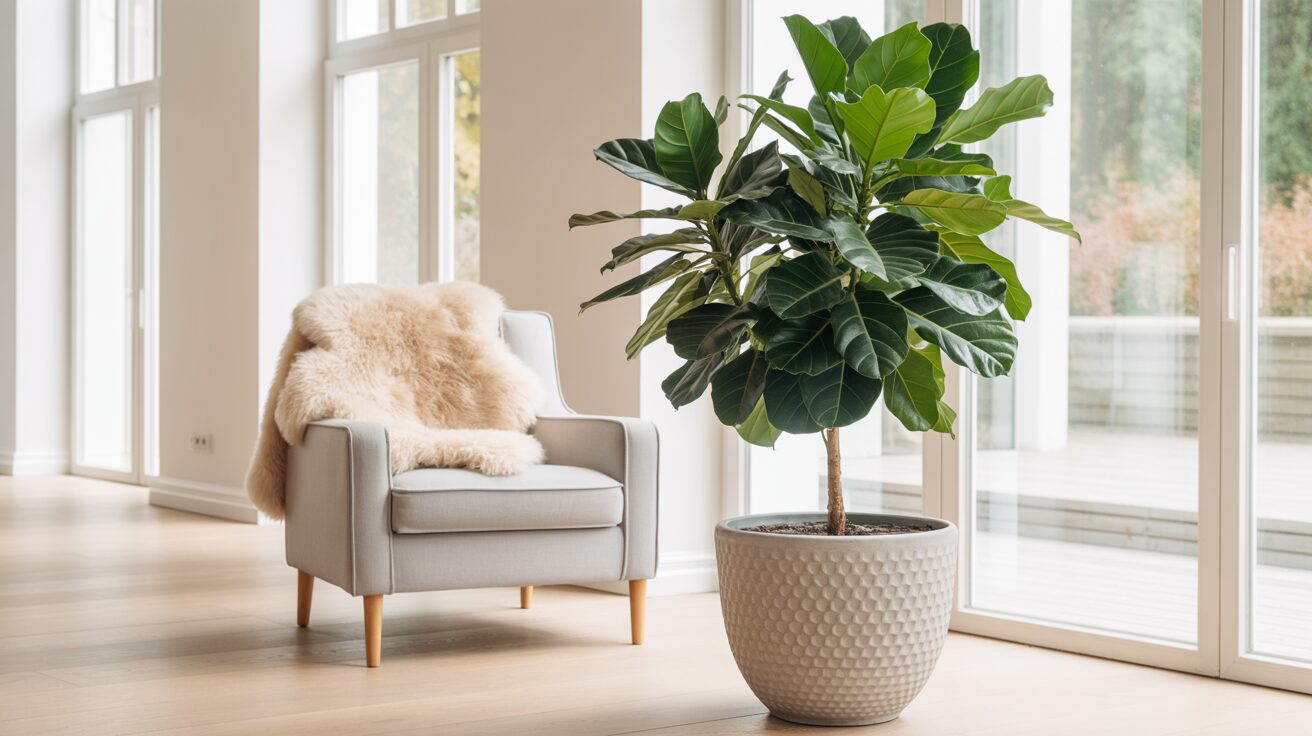
Styled Living Room Featuring a Mature Ficus Lyrata
Reason 2: Powerful Air Purification & Health Benefits
While beauty may draw you to the ficus, its ability to clean your indoor air is what makes it truly valuable. According to NASA’s Clean Air Study, the ficus ranks among the top air-purifying houseplants. It absorbs harmful toxins such as formaldehyde, benzene, and trichloroethylene, which are common in home furnishings and cleaning agents.
But the benefits go beyond chemical filtration. Ficus plants help regulate indoor humidity through a natural process called transpiration. As they release moisture into the air, they counteract the dryness caused by heating or air conditioning. This is especially helpful in cooler climates where indoor air tends to dry out skin and sinuses.
The health benefits are backed by scientific findings. For example, a 2021 study in Environmental Science & Technology found that indoor plants like ficus can reduce airborne particulates by up to 60% over time. Additionally, a home filled with greenery has been shown to lower stress levels, increase focus, and promote emotional well-being—a concept supported by the Japanese practice of Shinrin-yoku or “forest bathing.”
In real homes, people notice these differences. Hannah, a graphic designer in Brooklyn, installed three ficus trees in her open-concept loft. “After a few weeks, I genuinely felt the air was fresher,” she said. “Even my seasonal allergies were less noticeable.”
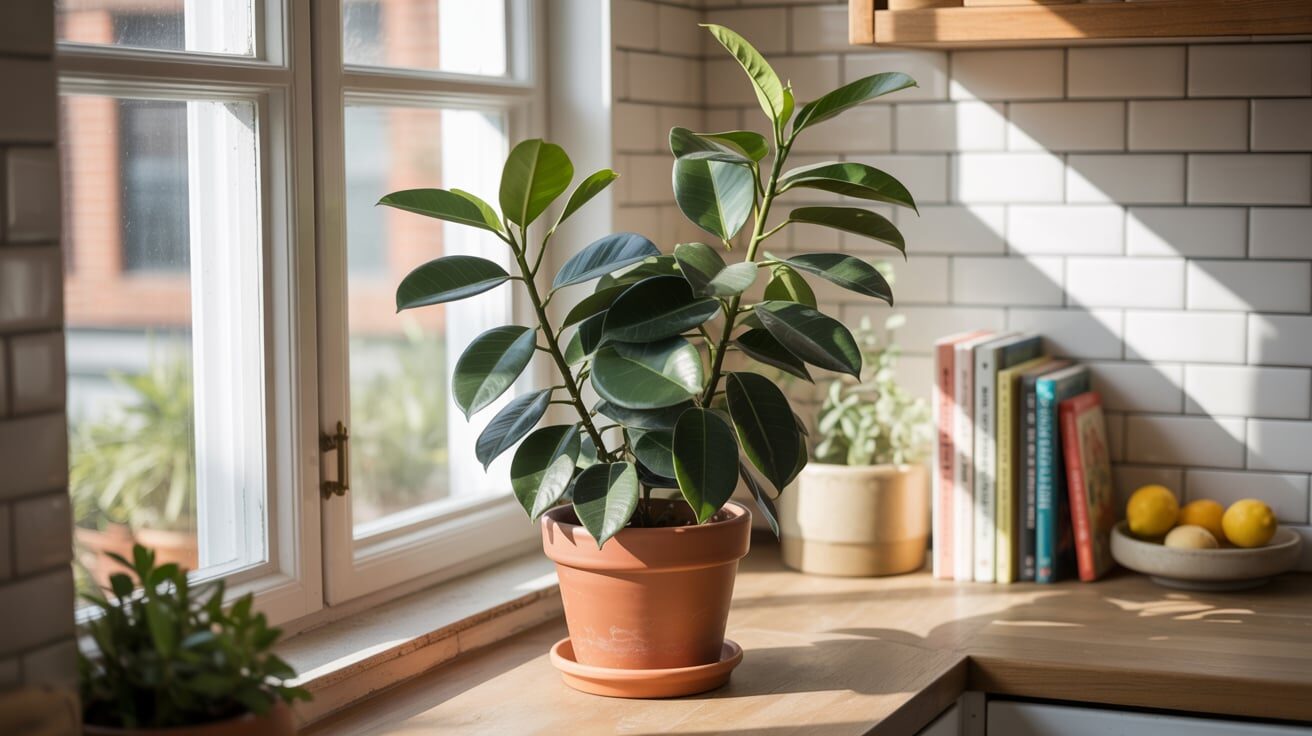
Ficus Elastica in a Bright Kitchen Corner
Reason 3: Low Maintenance – A Plant That Thrives with Minimal Fuss
If you’ve ever been overwhelmed by a high-maintenance houseplant, you’ll appreciate the ficus for its relatively simple care requirements. Once you understand its basic preferences, the ficus will thrive with a predictable, stress-free routine.
Here’s what ficus plants need to stay healthy:
One of the best aspects of ficus care is its tolerance for human error. Travel for a week and forget to water it? Your ficus will likely recover. Unlike finicky ferns or tropicals that drop leaves instantly, most ficus species recover well from mild stress—especially when given time and consistency.
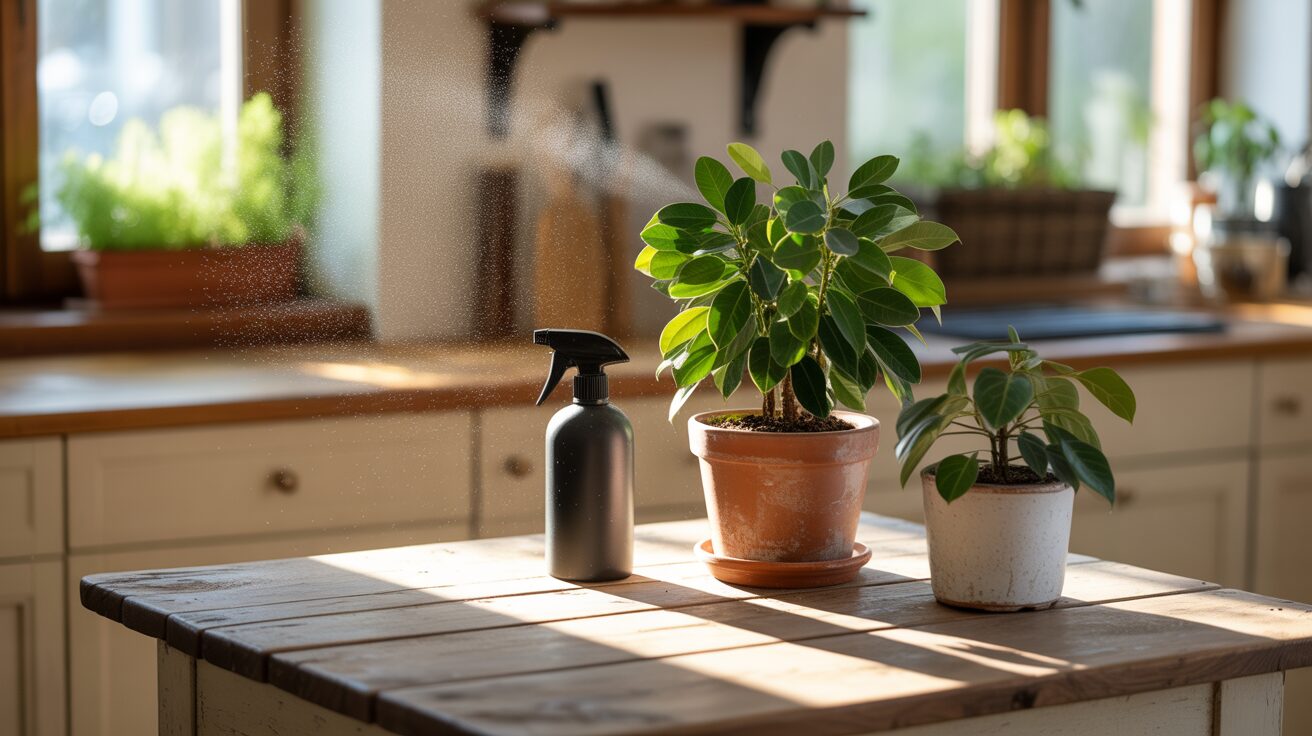
Weekly Ficus Maintenance Checklist on a Kitchen Table
Reason 4: Adaptability to Indoor Conditions
Not every plant can tolerate the unique microclimates of indoor spaces, but ficus trees are incredibly adaptable. They flourish in bright, indirect light but can handle less-than-perfect conditions, such as east- or north-facing windows. With proper acclimation, they tolerate lower humidity, temperature fluctuations, and even the occasional relocation within a room.
Let’s take the Ficus Benjamina, for example. Known for its drooping elegance, this variety is often sensitive to change. However, once settled into a space, it becomes remarkably stable. Its ability to respond and recover from change is what makes it a favorite among urban gardeners.
Real-World Use Case:
In Toronto, interior stylist Alicia Feng used a Ficus Benjamina as a focal point in a narrow entryway with limited light. “It dropped some leaves at first,” she admitted, “but after three weeks, it adjusted and started putting out new growth. I’ve had it in the same spot for a year now.”
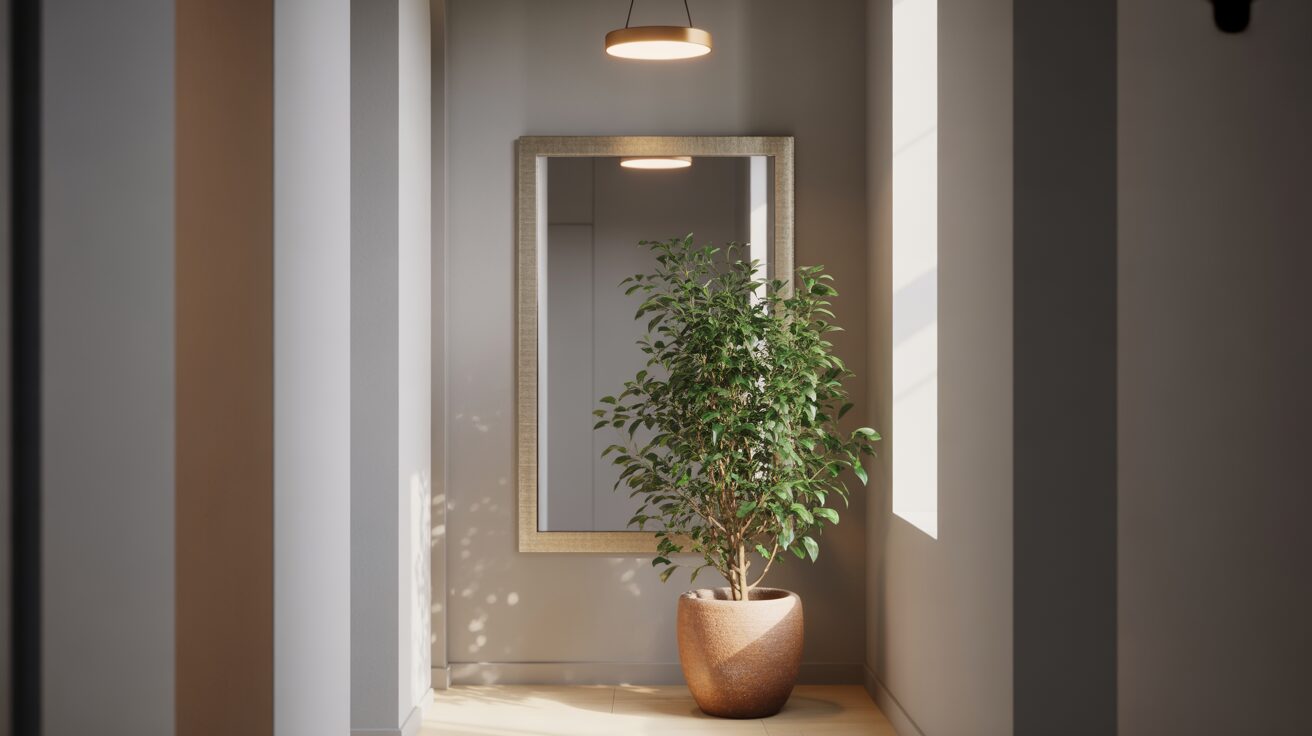
Ficus Benjamina Adjusting Near a North-Facing Window
Reason 5: Versatile Sizing and Potting Options
Few indoor plants offer the flexibility in form and size that the ficus does. Whether you want a compact tabletop plant or a ceiling-grazing indoor tree, there’s a ficus that fits. This sizing variety gives homeowners the ability to match plant scale with room proportion, which is essential for creating visual harmony.
For example, a large Ficus Lyrata adds grandeur to a high-ceilinged living room, while a petite Ficus Tineke is perfect for a shelf or desk. Additionally, the ficus adapts well to various pot styles—terracotta, ceramic, and even hanging baskets.
Ficus Plant Sizes & Recommended Pots
Ficus Type | Plant Height | Ideal Pot Size |
|---|---|---|
Ficus Lyrata | 4–8 feet | 14–18 inches |
Ficus Benjamina | 3–6 feet | 12–16 inches |
Ficus Audrey | 2–5 feet | 10–14 inches |
Ficus Tineke | 1–2 feet | 6–8 inches |
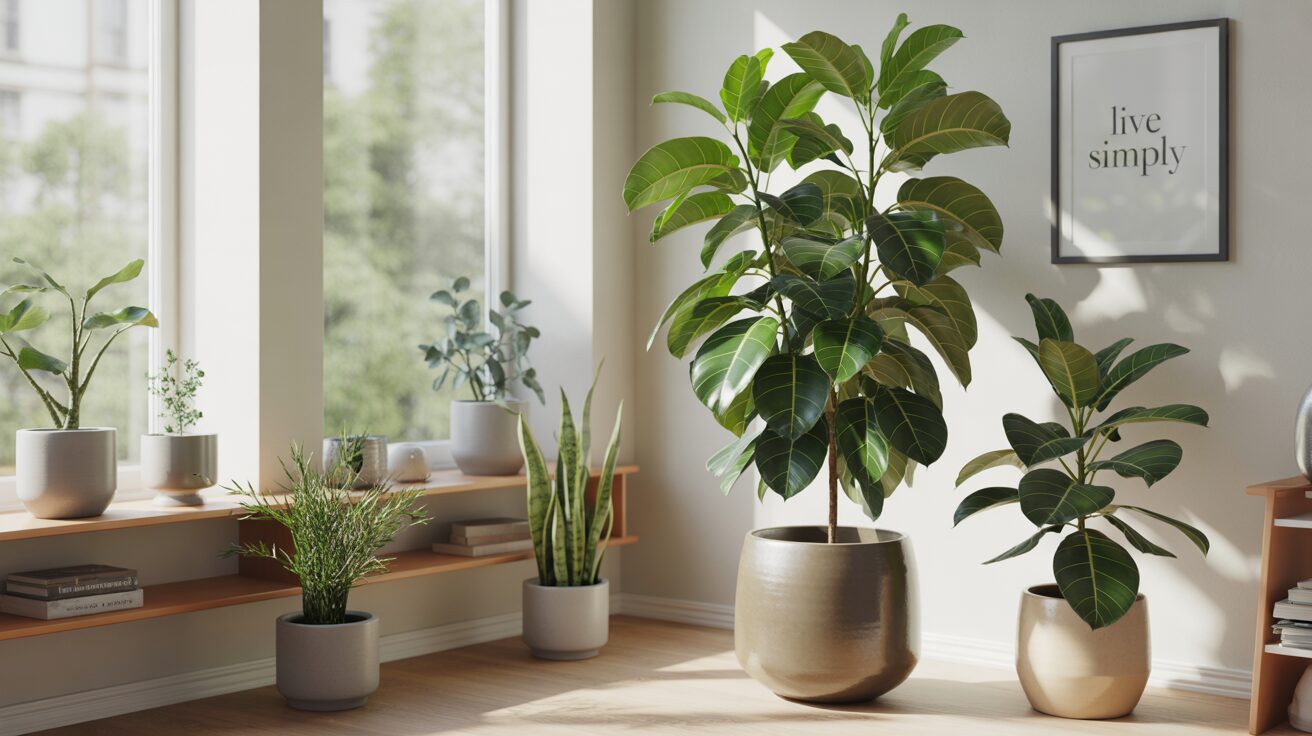
Various Potted Ficus Plants Styled on Shelves and Floors
Conclusion: A Plant That Beautifies and Benefits Your Home
The ficus indoor plant is not just another houseplant—it’s a multi-functional design asset, a natural air filter, and a resilient botanical companion. With stunning foliage, a forgiving temperament, and an ability to elevate interior spaces, it’s no wonder this plant continues to top the lists for decorators and wellness enthusiasts alike.
From lush Ficus Lyrata trees to the easy-care Ficus Elastica, there’s a type of ficus for every room, every mood, and every level of plant experience. Backed by plant science, user experiences, and time-tested reliability, the ficus stands tall (sometimes literally) as a worthy addition to any stylish, health-conscious home.
Frequently Asked Questions
What are the best ficus varieties for indoor spaces?
Top choices include Ficus Lyrata, Ficus Elastica, Ficus Audrey, and Ficus Benjamina. Each offers a unique look and care profile to fit your space and lifestyle.
How do I care for a ficus houseplant indoors?
Ensure bright, indirect sunlight; water when the top inch of soil is dry; avoid overwatering; and keep it away from drafts or sudden temperature changes.
Is Ficus Benjamina a good indoor tree?
Yes, with proper light and minimal movement, it adapts beautifully indoors and can grow into an elegant, sculptural form.
How much sunlight does a ficus plant need indoors?
They prefer bright, indirect sunlight but can tolerate medium-light conditions. Direct sun should be avoided to prevent leaf scorching.
What are the benefits of growing ficus indoors?
Ficus plants purify the air, improve humidity, lower stress levels, and enhance indoor aesthetics with their lush foliage.
How often should I water my indoor ficus plant?
Typically every 7–10 days, depending on humidity and light conditions. Always check that the top inch of soil is dry before watering.

Robert Martin is a passionate blogger and versatile content creator exploring the intersections of personal finance, technology, lifestyle, and culture. With a strong background in financial literacy and entrepreneurship, he helps readers make smarter money moves, build sustainable side hustles, and achieve financial independence.
Beyond finance, Robert shares his insights on home decor and gardening—offering practical ideas for creating beautiful, functional living spaces that inspire comfort and creativity. He also dives into the dynamic worlds of sports and celebrity news, blending entertainment with thoughtful commentary on trends that shape today’s pop culture.
From decoding the latest fintech innovations to spotlighting everyday success stories, Robert delivers content that’s informative, relatable, and actionable. His mission is to empower readers to live well-rounded, financially confident lives while staying inspired, informed, and ahead of the curve.