
What Is a Contract Position and How Does Contract Work Work?
A contract position is a type of employment where you work for an employer or client under a fixed-term agreement or specific project, rather than as a permanent employee. This form of work has exploded in popularity across multiple industries, from tech and creative roles to healthcare and administration, due to its flexibility and opportunity for varied experience.
For job seekers and freelancers eager to break into contract roles, understanding how does contract work work is a must. Contract work typically involves clearly defined deliverables, deadlines, and conditions set out in a written contract, allowing both parties a structured and legally binding working relationship. This clarity is crucial since contract roles often lack the traditional benefits and job security found in permanent positions, which raises concerns for many entering this kind of work.
Navigating your first contract position can seem daunting, but with the right knowledge, you can transition smoothly and capitalize on the dynamic career opportunities contract work offers. This article explores what contract work involves, the types of contract positions available, how to prepare and apply, negotiate smartly, and thrive once onboard. Real-world case studies, expert insights, and actionable advice are included to give you an authoritative guide on landing your first contract position confidently.
Key Takeaways
- Contract positions involve working under fixed-term agreements or project-based contracts, offering flexibility but less job security.
- Preparing your resume and portfolio for contract roles requires highlighting adaptability and project outcomes.
- Networking and using trusted platforms significantly improve chances of finding genuine contract positions.
- Understanding contract terms and negotiation best practices protects your rights and maximizes earnings.
- Continuous skill development and proactive communication help sustain long-term success in contract roles.
- Mastery of how does contract work work nuances ensures informed decision-making throughout your contract career.
Table of Contents
Understanding How Contract Work Works: Basics and Benefits Explored
Contract work is fundamentally different from permanent employment due to its temporary nature and often project-specific scope. In a contract position, you’re usually hired for a limited duration or until a particular project is complete. Unlike permanent employees, contractors often handle their own taxes, benefits, and sometimes work remotely, acting more like independent professionals than traditional staff.
An essential aspect of contract work is understanding how does contract work work — the legal framework, payment methods, and responsibilities lying with you as the contractor. The contract sets clear expectations on your workload, deadlines, payment terms, and sometimes, confidentiality or intellectual property rights, which you must carefully evaluate before signing.
The benefits of contract work are compelling. Flexibility tops the list, allowing you to tailor your work schedule, explore diverse industries, and develop specialized skills by switching projects. For example, Maria, a software developer, transitioned from a permanent role to contract work and found that working on multiple projects enhanced her expertise faster than before—doubling her market value in two years. Many contractors also earn higher hourly rates as compensation for limited or no benefits, such as health insurance or paid vacation.
Contract Position vs Permanent Employment
| Aspect | Contract Position | Permanent Employment |
| Duration | Fixed term or project-based | Indefinite |
| Job Security | Generally low | Higher |
| Benefits | Limited or none | Standard (health, retirement) |
| Pay Structure | Hourly or project-based | Salary |
| Flexibility | High | Limited |
Understanding these distinctions helps you assess if contract work aligns with your career priorities and tolerance for risk.
Types of Contract Positions and How Does Contract Work Work for Each
Contract work takes many forms, tailored to individual work styles and industry demands. Knowing these types will help you identify which contract position suits your skillset and life circumstances best.
- Fixed-term contracts involve working for a preset duration, such as six months or a year. This is common in government or corporate projects requiring specialized skills temporarily.
- Freelance contracts usually cater to creative or consulting professionals hired per project, offering maximum flexibility in client selection and hours.
- Temp-to-perm contracts start as contract roles with the possibility of conversion into permanent employment, giving you a foot in the door while retaining flexibility.
- Project-based assignments focus on specific deliverables, strongly defined by timelines and output expectations.
Each contract type requires an understanding of how does contract work work in that particular context—what timelines, deliverables, or independence level is expected. For instance, freelance contracts often hinge on client relations managed personally by the freelancer, while temp-to-perm roles may mirror full-time job dynamics initially.
Knowing the characteristics of these contract types allows you to strategize your applications and career progression thoughtfully.
Preparing to Land Your First Contract Position by Mastering How Does Contract Work Work
Preparation to enter contract work transcends submitting a typical job application. Employers or clients hiring contractors look for professionals who can hit the ground running, demonstrate adaptability, and manage deadlines independently.
Start by refining your resume and portfolio. Unlike permanent jobs where tenure and growth matter, contract clients prioritize relevant skills and immediate results. Highlight projects demonstrating your ability to deliver on short timelines or in dynamic environments, emphasizing measurable outcomes.
Equally important is personal branding. A LinkedIn profile optimized for contract opportunities with recommendations, samples, and clear messaging on your contract-friendly work style can open doors. Networking holds particular weight in contract work. Building relationships with recruiters specializing in contract roles, industry peers, and former clients can result in referrals and early access to listings.
Professional communities, both in-person and online, offer platforms to learn how does contract work work in your industry, share experiences, and spot opportunities first. For example, Tom, a marketing specialist, credits LinkedIn groups and freelancer forums for landing his first three contract positions, giving him invaluable experience before going fully independent.
Where to Find Contract Positions and Learn How Does Contract Work Work Through Trusted Platforms
Finding contract positions requires targeting specialized resources since contract roles are not always advertised like permanent jobs. Trusted platforms include major freelancing sites like Upwork and Toptal, which cater to independent contractors and freelancers, offering safeguards like milestone payments and dispute resolution.
Traditional job boards such as Indeed and Glassdoor feature contract filters but require careful vetting to avoid scams or vague offers. Recruitment agencies focusing on temporary staffing provide direct connections to reputable employers and contracts negotiated with clarity.
Company websites of firms known for hiring contractors, particularly in IT, creative, or healthcare sectors, often post openings not listed elsewhere.
Understanding how does contract work work in the context of these platforms also means recognizing red flags such as unclear payment terms, disproportionate fees, or lack of a formal contract. Exercising due diligence by requesting contract samples or references is essential.
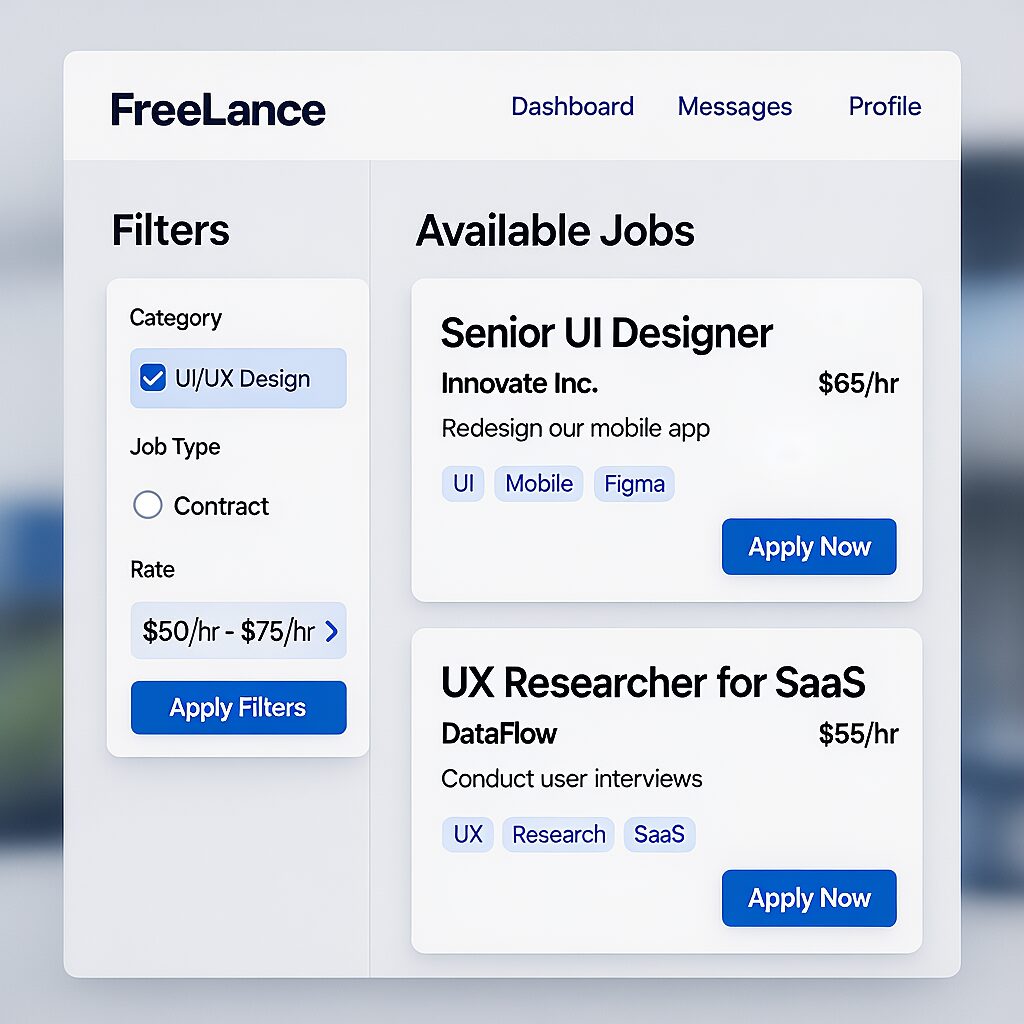
A popular freelance job board highlighting contract positions.
These channels combined build a reliable pipeline for locating and applying to genuine contract roles.
Mastering the Application and Interview Process with Insights on How Does Contract Work Work
The application process for contract positions emphasizes your ability to match the project’s requirements precisely and demonstrate self-sufficiency. Your cover letter should succinctly address why you are fit for contract work, highlighting your ability to manage short deadlines and deliverables with examples.
Interviews for contract roles sometimes differ from permanent positions; expect questions probing your experience managing isolated responsibilities, contract duration flexibility, and problem-solving on limited resources.
Explaining how does contract work work during your interview—asking informed questions about contract length, renewal options, and clauses—signals professionalism and preparedness. Demonstrate confidence in managing your work autonomously while being responsive to client needs.
An example interview question might be: “How do you prioritize multiple contract projects when deadlines overlap?” Preparing solid, experience-backed answers will set you apart.
Mastering these nuances increases your chances of securing that elusive first contract position.
Negotiating Your Contract: Understanding How Does Contract Work Work To Secure Terms that Protect and Reward You
Negotiation is a critical step many overlook when entering contract work. Understanding how does contract work work in terms of negotiating pay, contract duration, scope, and benefits can substantially impact your satisfaction and income.
Before negotiations, scrutinize your contract carefully. Key elements include the scope of work, timeline, payment schedules, confidentiality clauses, and termination rights. Many contractors get caught off guard by stringent termination clauses or vague scope descriptions, which can restrict future work.
Negotiation tactics should balance firmness and flexibility. For example, if benefits like equipment or training are not standard, attempt to incorporate them in lieu of wage increases. Being transparent about your minimum acceptable pay rate but open to discussing deliverables builds trust.
Common Contract Terms & What They Mean
| Term | Meaning |
| Scope of Work | Defines exact duties and expected outcomes. |
| Duration | Specifies contract start and end dates. |
| Payment Terms | Details rates, frequency, and invoicing process. |
| Termination Clause | Explains how and when contract can be ended. |
| Confidentiality | Restricts sharing sensitive information. |
Successful negotiators are those who understand the full implication of these terms and align them with personal priorities and risk tolerance.
On the Job: Navigating the Realities of Contract Work and How Does Contract Work Work in Practice
Once onboard, contract workers face unique challenges. Job security is inherently limited, and employee benefits often absent. However, by proactively managing your contract work, you can build a sustainable career path.
Staying current with industry trends and sharpening skills frequently through online courses or certifications ensures you remain competitive. Equally, strong communication with clients builds trust and increases the chance of contract renewals or referrals.
Consider the real-world example of David, a contract IT consultant, who balances multiple short-term assignments by maintaining clear calendars, regular client check-ins, and professional invoicing practices. His careful approach to contract compliance and transparent communication has earned him repeat business and referrals.
Understanding how does contract work work beyond initial hiring is indispensable—knowing how to handle contract disputes, invoicing, and time management directly influences your success.
Conclusion
Landing your first contract position requires more than just applying—it demands understanding the nuances of contract work, preparing strategically, negotiating wisely, and managing ongoing relationships proactively. By mastering how does contract work work, you not only protect yourself but also carve out a rewarding and flexible career path. Start refining your resume, explore trusted platforms, and expand your network today.
Ready to take the leap? Improve your contract job prospects now by learning more about best practices and expert strategies.
Frequently Asked Questions
How does contract work work exactly?
Contract work operates under an agreement detailing project scope, duration, and payment terms, with the contractor working independently, often without traditional employee benefits.
What are typical benefits of contract positions?
Flexibility in location and scheduling, opportunity to gain diverse experience quickly, and often higher pay rates compared to permanent roles.
How long do most contract positions last?
They can range from a few weeks to several months or even a year, depending on project needs and client budgets.
Do contract workers get employee benefits?
Rarely; most contract roles exclude health insurance, paid leave, or retirement plans, so workers typically manage these independently.
Is it possible for contract positions to convert into full-time roles?
Yes, some contracts are temp-to-perm offering eventual permanent employment based on performance during the contract period.
What precautions should I take when signing a contract?
Read all terms carefully, negotiate unclear points, understand payment schedule, and consult a legal advisor if necessary before signing.

Robert Martin is a passionate blogger and versatile content creator exploring the intersections of personal finance, technology, lifestyle, and culture. With a strong background in financial literacy and entrepreneurship, he helps readers make smarter money moves, build sustainable side hustles, and achieve financial independence.
Beyond finance, Robert shares his insights on home decor and gardening—offering practical ideas for creating beautiful, functional living spaces that inspire comfort and creativity. He also dives into the dynamic worlds of sports and celebrity news, blending entertainment with thoughtful commentary on trends that shape today’s pop culture.
From decoding the latest fintech innovations to spotlighting everyday success stories, Robert delivers content that’s informative, relatable, and actionable. His mission is to empower readers to live well-rounded, financially confident lives while staying inspired, informed, and ahead of the curve.