
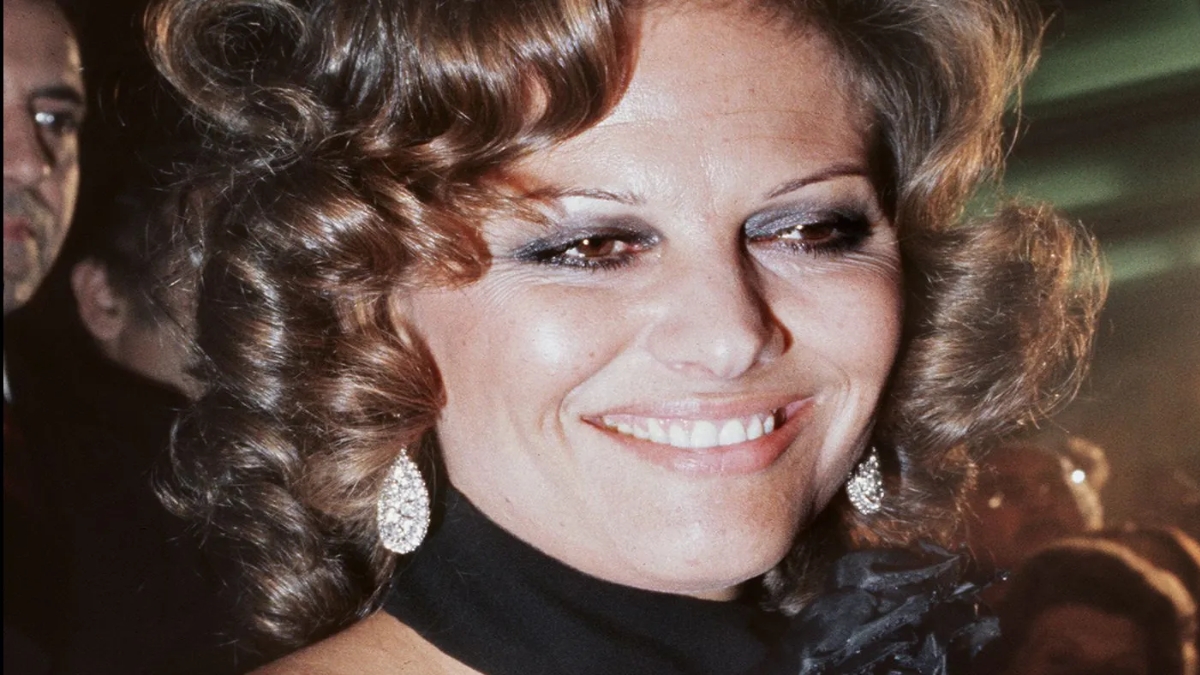
Claudia Cardinale, whose life spanned from 15 April 1938 to 23 September 2025, remains one of Europe’s most enchanting and enduring film icons. Born in Tunisia to Sicilian parents, she rose from a beauty pageant teenager to a screen legend whose work cut across Italy, France, and Hollywood. With more than 100 film roles and a career spanning over six decades, her legacy is rich, complex, and resonant. With her recent passing, many are revisiting the life, art, and impact of this singular actress. This article seeks to provide a thorough, factual portrait of Cardinale’s life, career, and influence.
Table of Contents
Early Life and Family Background
Claudia Cardinale was born Claude Joséphine Rose Cardinale on 15 April 1938 in La Goulette, a suburb of Tunis, then part of the French protectorate of Tunisia. Her parents were Sicilian immigrants: her father, Franco Cardinale, worked as a clerk, and her mother, Yolanda (née Greco), managed the household.
Growing up in a multilingual environment, she spoke French and Arabic more naturally in childhood, while Italian came later. From an early age, her parents hoped she would pursue a conventional, stable life (such as teaching), rather than stardom.
In 1957, at age 19, she won the “Most Beautiful Italian Girl in Tunisia” contest, which granted her a trip to Venice. That moment proved pivotal, as it opened doors into the Italian film industry.
The Move to Italy and Early Film Roles
Her trip to Venice introduced her to Italian filmmakers and producers, including Franco Cristaldi, who would later become her husband and early mentor.
Her first screen appearance was in Goha (1958), a French‐Egyptian production starring Omar Sharif. Soon after, she appeared in the Italian ensemble comedy Big Deal on Madonna Street (I soliti ignoti) (1958) in a small role.
In her early years, Cardinale frequently had her voice dubbed in films, because of her accent, Sicilian dialect, and French upbringing. She gradually honed her acting skills, took on more substantial parts, and positioned herself as a leading presence in Italian cinema by the early 1960s.
Rise to Stardom: Signature Films and Collaborations
Claudia’s breakthrough came in the early 1960s, particularly with two landmark films in 1963: Federico Fellini’s 8½ and Luchino Visconti’s The Leopard (Il Gattopardo).
- In 8½, she played the “dream woman” muse of the director’s alter ego, in one of her most poetically memorable roles.
- In The Leopard, she embodied Angelica Sedara opposite Burt Lancaster, contributing to the film’s prestige and lasting reputation.
Beyond that, she worked across genres: in Sergio Leone’s Once Upon a Time in the West (1968), she played a powerful female lead in a spaghetti western. She also appeared in The Pink Panther, The Professionals, Don’t Make Waves, and many others, reflecting her ability to cross between European and (to an extent) Hollywood cinema.
| Year | Film Title | Director | Role | Significance |
|---|
| 1958 | Big Deal on Madonna Street (I soliti ignoti) | Mario Monicelli | Carmelina | First notable Italian role, helped launch her career |
| 1963 | 8½ | Federico Fellini | Claudia (the dream muse) | Iconic performance in one of cinema’s greatest films |
| 1963 | The Leopard (Il Gattopardo) | Luchino Visconti | Angelica Sedara | Cemented her as a leading actress in historical epics |
| 1963 | The Pink Panther | Blake Edwards | Princess Dala | Hollywood breakthrough, showed international versatility |
| 1966 | The Professionals | Richard Brooks | Maria Grant | Major Hollywood success, nominated for Academy Awards |
| 1968 | Once Upon a Time in the West | Sergio Leone | Jill McBain | One of the strongest female leads in western cinema |
| 1982 | Fitzcarraldo | Werner Herzog | Molly | Later-career standout in an acclaimed German epic |
She intentionally avoided locking herself into an exclusive Hollywood contract, choosing instead artistic freedom and a European identity.
Personal Life, Struggles, and Resilience
Cardinale’s personal life was marked by both public attention and private complexity. In 1966 she married producer Franco Cristaldi, though their relationship had blurred boundaries well before that. Their marriage lasted until 1975.
After the separation, she entered a long-term partnership with director Pasquale Squitieri, which lasted until his death in 2017. With Cristaldi, she had a son, Patrick, whom she had to publicly present as her younger brother for many years, due to social stigma about out-of-wedlock birth. With Squitieri, she had a daughter, Claudia.
Her career hit turbulence in the 1970s, allegedly in part because Cristaldi asked industry figures to shun her after their split. Despite that hardship, Cardinale persisted — rebuilding her career, taking roles in European films and television.
She was outspoken, independent, and often defied convention — for instance, she once reportedly showed up to a meeting with Pope Paul VI wearing a miniskirt.
Later Years and Television / Theater Work
In her later years, Claudia Cardinale transitioned more into television, theater, and smaller film roles. In 2000, she made her theater debut in Paris in a French adaptation of La Venexiana. T
In 2002, she received a Lifetime Achievement Award at the Berlin Film Festival, honoring her decades of contribution to cinema.
Her last appearances included roles in European films and television productions. Her final film credit is in The Island of Forgiveness (2022). She also starred in a Swiss miniseries Bulle in 2020.
She split much of her later life between France and Italy and remained engaged in cultural and humanitarian causes.
Artistic Style and Screen Persona
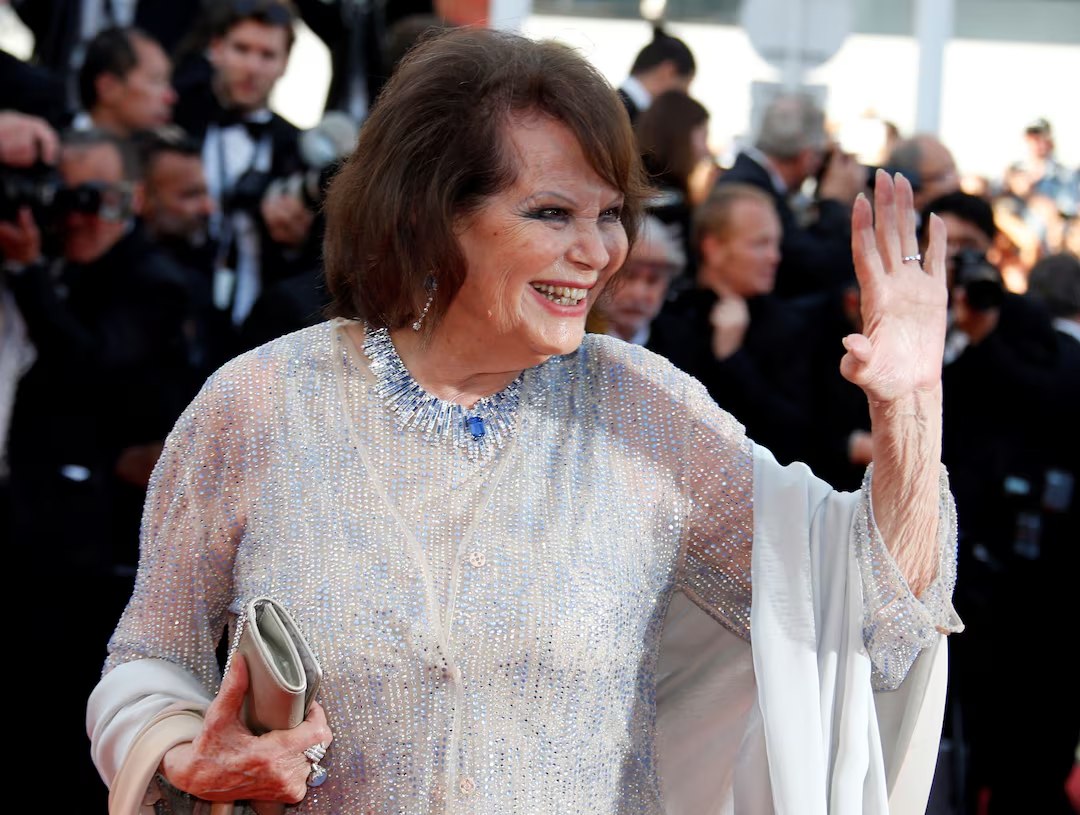
What made Cardinale stand out was a blend of sensuality, poise, and emotional depth. She was often cast as strong, passionate women — but never one-dimensional. Critics frequently mention the “naturalness” of her performances and the expressive power of her eyes and presence.
Compared to the more glamorous, polished stars of her time, she had a rawer, more Mediterranean quality. Her voice, especially once permitted to be heard (rather than dubbed), added to her expressive uniqueness.
She was also selective: she resisted being “packaged” by Hollywood studios. She prioritized roles and collaborations over pure commercial ambition.
Awards, Honors, and Legacy
Over her career, Cardinale received many honors:
- She was awarded the Golden Lion for Lifetime Achievement at the Venice Film Festival.
- In 2002, the Berlin Film Festival conferred a lifetime award on her.
- She held the title of Cavaliere di Gran Croce in the Order of Merit of the Italian Republic (OMRI) in recognition of her contributions to Italian arts.
In the wake of her passing, tributes have poured in from governments, film institutions, and fellow artists. Italian President Sergio Mattarella described her as “extraordinary,” while French President Emmanuel Macron said the French will always carry her in their hearts. Cultural figures and cinephiles reaffirm that she belongs to the pantheon of cinema legends.
Her films continue to be screened, studied, and rediscovered by new generations of cinephiles. Her image, aura, and roles form a lasting bridge between “classic cinema” and contemporary film discourse.
Influence on European and Global Cinema
Claudia Cardinale’s impact goes beyond individual performances. She helped shape the notion that European actors could carry international crossover appeal without relinquishing their cultural roots.
She inspired many actresses who followed: showing how a Mediterranean woman could carry both sensuality and dignity in her roles, without being reduced to caricature.
In Italy and France especially, her collaborations with top auteurs (Fellini, Visconti, Leone) cemented her place in their legacies. In academic film studies, she is often cited in discussions of female agency in mid-20th-century European cinema.
Even in Hollywood, she demonstrated that refusing certain compromises didn’t preclude global presence—she walked the fine line between art and popularity.
Public Reaction and Remembrance
News of her death on 23 September 2025 drew widespread mourning and reflection. French and Italian media led tributes, recalling not just her films but her persona as an icon bridging cultures.
Fans recalled favorite roles, quotes, and personal stories of how her beauty and performance moved them. Film festivals and retrospectives planned to re-screen her most celebrated works.
Cultural institutions and governments honored her memory. In Italy, the Culture Ministry called her one of the greatest actresses in the nation’s history.
Remembering Through Film: Suggested Viewing
To truly appreciate Claudia Cardinale, here’s a curated selection of her most representative works:
- 8½ (1963) — her luminous performance as a dream-figure muse.
- The Leopard (Il Gattopardo) (1963) — pairing with Burt Lancaster in a historical epic.
- Once Upon a Time in the West (1968) — her standout turn in a western classic.
- The Professionals (1966) — one of her boldest Hollywood roles.
- The Pink Panther (1963) — bridging European charm and mainstream entertainment.
- Fitzcarraldo (1982) — one of her poignant supporting parts in later years.
Watching these films across decades gives insight into how her screen presence evolved and endured.
Conclusion
Claudia Cardinale’s passing in September 2025 marks the end of an era, but her art remains timeless. From her humble beginnings in Tunis to the heights of European cinema, her journey was one of talent, resilience, and luminous presence. She navigated personal trials, industry politics, and the shifting tides of film history while staying true to her aesthetic and principles.
Her body of work—especially 8½, The Leopard, and Once Upon a Time in the West—stands as enduring monuments to a voice that was never entirely conventional, but always compelling. As new generations discover her films, and retrospectives honor her legacy, Claudia Cardinale will continue to be more than a memory: she will remain a living presence in the walking frames of cinema.
Frequently Asked Questions
When did Claudia Cardinale die?
She died on 23 September 2025 in Nemours, France, at the age of 87.
What was her birthplace and origin?
She was born in La Goulette, Tunis, Tunisia, to Sicilian immigrant parents.
Which are her most iconic movies?
Her most iconic roles include 8½, The Leopard, Once Upon a Time in the West, The Professionals, The Pink Panther, among others.
Did she act in Hollywood films?
Yes, though selectively. Some of her English-language work includes The Professionals, Blindfold, Don’t Make Waves, and The Pink Panther.
Was she married and did she have children?
She was married to producer Franco Cristaldi from 1966 to 1975, and afterward was long partnered with director Pasquale Squitieri (until his death in 2017). She had two children: Patrick and Claudia.
What lasting legacy does she leave?
Claudia Cardinale leaves a legacy of artistic integrity, cross-cultural appeal, memorable screen performances, and influence on European cinema. Her work continues to inspire actors, scholars, and film lovers worldwide.

Robert Martin is a passionate blogger and versatile content creator exploring the intersections of personal finance, technology, lifestyle, and culture. With a strong background in financial literacy and entrepreneurship, he helps readers make smarter money moves, build sustainable side hustles, and achieve financial independence.
Beyond finance, Robert shares his insights on home decor and gardening—offering practical ideas for creating beautiful, functional living spaces that inspire comfort and creativity. He also dives into the dynamic worlds of sports and celebrity news, blending entertainment with thoughtful commentary on trends that shape today’s pop culture.
From decoding the latest fintech innovations to spotlighting everyday success stories, Robert delivers content that’s informative, relatable, and actionable. His mission is to empower readers to live well-rounded, financially confident lives while staying inspired, informed, and ahead of the curve.