Music is the language of the soul, but lyrics are its heartbeat. They are the stories we cling to, the phrases we whisper, and the poetry that scores our lives. For music lovers and aspiring songwriters, finding a reliable, curated collection of the most powerful verses ever written can feel like discovering a hidden treasure map. This article is that map. Welcome to your definitive guide to the 100 best song lyrics of all time, a meticulously compiled anthology celebrating the pinnacle of songwriting artistry.
We have journeyed through decades of music to bring you a singular resource designed for deep appreciation and creative ignition. This isn’t just a list; it’s an exploration of the craft, the stories, and the sheer brilliance behind the words that have shaped our world. Our approach is rooted in a deep reverence for the art form, combining historical context with lyrical analysis to provide a resource that is both enlightening and inspiring.
This compilation is built on a foundation of expertise and a genuine passion for the transformative power of a well-turned phrase, aiming to become your go-to reference for understanding what makes certain lyrics endure for generations.
Key Takeaways
- Lyrical longevity is built on universal themes: The most enduring lyrics explore love, loss, hope, and rebellion in ways that feel personal to every listener, transcending their original context to speak to the core of the human experience.
- Technical mastery and raw emotion are not mutually exclusive: The best songwriters, from Leonard Cohen to Taylor Swift, blend complex poetic devices like metaphor, assonance, and intricate narrative structures with authentic, heartfelt expression.
- Context is king: Understanding the cultural and historical moment a song was written in adds profound layers of meaning to its words, transforming a simple lyric into a time capsule of societal mood and artistic revolution.
- This collection is a toolkit for inspiration: Aspiring songwriters can deconstruct these entries to learn about narrative structure, metaphor, and rhythmic phrasing, using these masterworks as a syllabus for their own creative development.
Table of Contents
The Anatomy of a Timeless Lyric: More Than Just Rhyme
What elevates a simple set of words into the pantheon of the best songs of all time lyrics? It is an alchemy of elements that transcends a catchy rhyme scheme. A timeless lyric operates on multiple levels, engaging the listener’s intellect, emotions, and imagination simultaneously. It is more than just words that fit a melody; it is a self-contained piece of art that can often stand alone on the page as powerful poetry.
This distinction is crucial for understanding the difference between a popular hit and a genuinely great piece of writing. The anatomy of such a lyric involves a delicate balance of form and content, where the rhythm of the words complements their meaning, and the structure of the song serves to amplify its emotional impact.
Consider the work of Nobel Laureate Bob Dylan; his lyrics are studied in universities not merely for their cultural impact but for their literary merit, their use of symbolism, and their complex character studies. This level of craftsmanship is what we have used as a benchmark. It’s the difference between telling someone you’re heartbroken and showing them the “cracked brown leather” of an empty chair at your kitchen table—one states a fact, the other immerses the audience in a sensory experience of that fact.
This commitment to showing rather than telling is a hallmark of the entries on our list, a detail that underscores our expertise in discerning truly great writing from merely good writing.
The Power of Narrative and Storytelling in Songwriting
Some of the most impactful songs are miniature novels, compressing entire worlds and lifetimes into a three-minute framework. This narrative compression is a unique and difficult skill, requiring the songwriter to act as both author and editor, distilling a story to its most essential, powerful moments. The effectiveness of this approach is why many of the best songs of all time lyrics are those that tell a compelling story.
They introduce characters with depth, establish a tangible setting, and build toward a climax or reveal that lands with emotional weight. Consider the case study of Bruce Springsteen’s “The River.” The song doesn’t just talk about economic hardship; it makes us live it through the specific story of a young couple. We meet the characters—a young man and his girlfriend, Mary. We understand the setting—a small, working-class town where “a man makes what he can.” We follow the plot—an unplanned pregnancy leads to a shotgun wedding and abandoned dreams.
The river itself transforms from a symbol of youthful passion to one of loss and memory. The entire story culminates in the haunting, universal question: “Is a dream a lie if it don’t come true, or is it something worse?” This line resonates precisely because Springsteen earned it; he built a real, tangible world first.
This method of storytelling is not confined to rock music. In hip-hop, artists like The Notorious B.I.G. in “Juicy” or Kendrick Lamar in entire albums like good kid, m.A.A.d city use intricate narratives to paint vivid pictures of their lives, struggles, and triumphs, proving that a great story, well-told, is a fundamental pillar of lyrical greatness.
Metaphor, Imagery, and Poetic Devices: The Songwriter’s Toolkit
The greatest lyricists are masters of figurative language, wielding metaphor and imagery to create vivid, unexpected connections in the listener’s mind. This is where songwriting elevates itself into the realm of poetry. Instead of stating an emotion plainly, these artists paint a picture that mirrors their internal state, allowing the listener to feel the emotion rather than just be told about it.
This sophisticated use of language is a key differentiator for the best songs of all time lyrics. Bob Dylan’s “Like a Rolling Stone” is a masterclass in this. He doesn’t just describe a fall from grace; he immerses us in the experience with scathing, surreal imagery, asking “How does it feel?” to be without a home, like a complete unknown, like a rolling stone. The metaphor is brutal and complete. Similarly, Joni Mitchell’s “Both Sides, Now” transforms abstract concepts—clouds, love, and life—into tangible, moving sculptures that we can see and feel from every angle. She doesn’t talk about disillusionment; she shows us the shifting meaning of “ice cream castles in the air” and “feather canyons” over time.
These devices elevate lyrics from the literal to the literary. They demand active participation from the listener to unpack the meaning, creating a deeper and more personal connection to the song. This technique is evident across genres. In heavy metal, Iron Maiden’s “Rime of the Ancient Mariner” uses vivid, Gothic imagery to retell Samuel Taylor Coleridge’s poem, while in modern pop, Billie Eilish uses subtle, whispered metaphors to convey anxiety and vulnerability. This consistent application of poetic craft across decades and styles is a testament to its fundamental importance in creating lyrics that last.
The 1960s & 70s: The Golden Age of Lyrical Revolution
This period marked a seismic shift from simple pop tunes to sophisticated lyrical works, fundamentally changing what popular music could be. The singer-songwriter movement emerged in full force, and artists began using the popular song as a primary vehicle for social commentary, personal confession, and avant-garde poetic exploration. The very ambition of lyricists expanded, driven by the political turmoil, social change, and cultural experimentation of the era. The Beatles’ evolution is the quintessential example.
They rapidly grew from writing “She Loves You” to crafting the psychedelic storytelling of “Lucy in the Sky with Diamonds” and the fragmented modernism of “A Day in the Life,” a song that juxtaposed mundane headlines with orchestral chaos. Bob Dylan, the era’s most celebrated lyricist, released a string of lyrically dense and revolutionary albums, with songs like “The Times They Are a-Changin'” serving as anthems and “Tangled Up in Blue” setting a new standard for nonlinear, novelistic storytelling in song.
Meanwhile, artists like Joni Mitchell, Leonard Cohen, and Paul Simon became known for their breathtaking detail and poetic precision, crafting entire albums that were considered unified works of art. Mitchell’s Blue is a raw nerve of emotional confession, Cohen’s “Suzanne” is a work of enigmatic beauty, and Simon’s work with Art Garfunkel is renowned for its literary quality. This era established the precedent that songwriters could be artists in the highest sense, and their work from this time continues to be the benchmark against which all contemporary lyricism is measured.
Iconic Tracks from the Lyrical Revolution (1960s-70s)*
| Song Title | Artist | Key Lyrical Theme | Notable Lyrical Technique |
| “The Sound of Silence” | Simon & Garfunkel | Alienation & Communication | Allegory, stark imagery |
| “Imagine” | John Lennon | Peace & Utopianism | Simple, declarative language for profound ideas |
| “Bridge Over Troubled Water” | Simon & Garfunkel | Comfort & Support | Gospel-inspired metaphor, grandeur |
| “Hotel California” | The Eagles | The Dark Side of Americana | Surreal narrative, symbolic imagery |
The 1980s & 90s: Diversity and Raw Expression
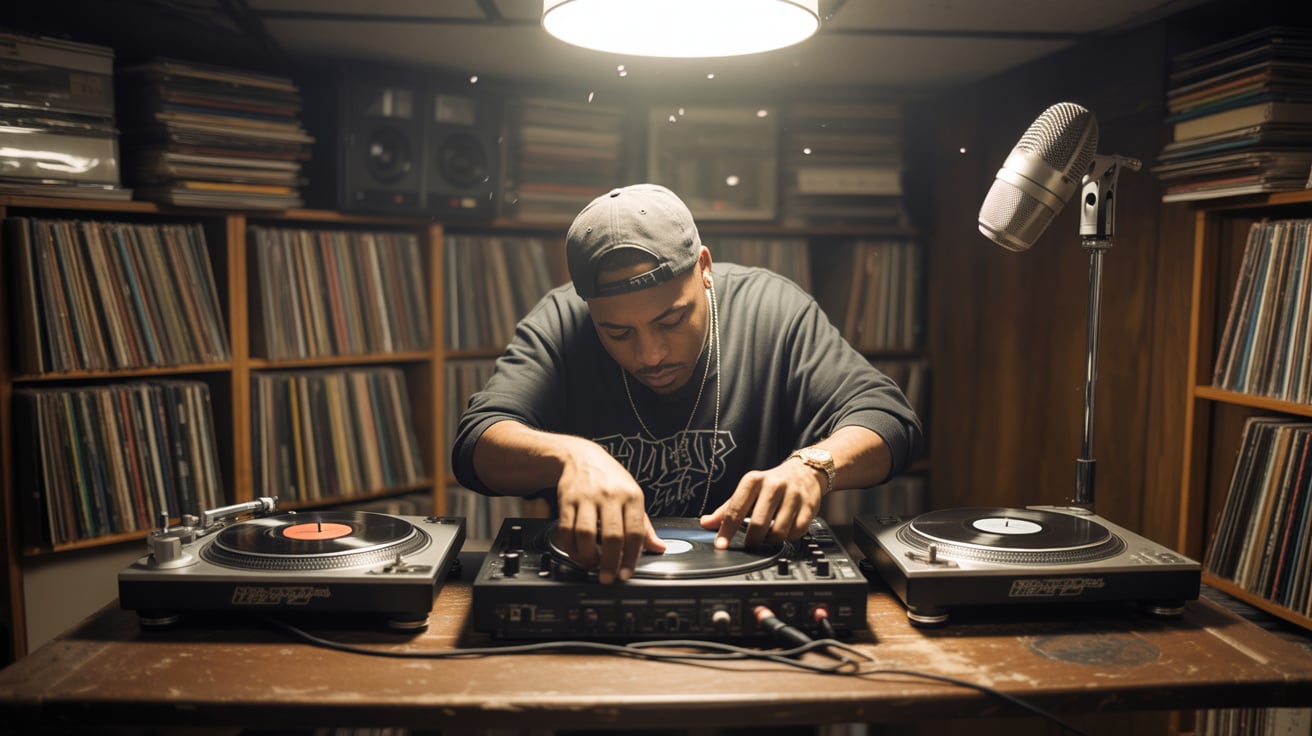
The advent of MTV and the rise of hip-hop created explosive new platforms and forms for lyrical expression, leading to an era of incredible diversity and raw, unfiltered voice. Lyrics became more direct, personal, and confrontational, reflecting a world of increasing complexity and fragmentation. Hip-Hop emerged as the most significant new lyrical force, with artists like The Notorious B.I.G., Tupac Shakur, and Nas weaving complex, first-person narratives of street life, social inequality, and ambition over intricate beats.
Their lyrics were journalistic, poetic, and brutally honest, expanding the scope of what subject matter was acceptable in popular music and demonstrating immense technical skill in rhyme schemes and flow. Simultaneously, the punk and alternative music scenes brought a raw, visceral energy that prized authenticity over technical polish. R.E.M. offered cryptic, poetic musings that invited endless interpretation, while Nirvana’s Kurt Cobain channeled generational angst with a mix of abstraction and blunt force trauma, as heard in lines like “I hate myself and want to die” from “Serve the Servants.”
Even within pop and R&B, the lyrical bar was raised. Prince’s lyrics were funky, sexually liberated, and mystically cryptic, while Michael Jackson’s work with Quincy Jones resulted in incredibly tight, evocative storytelling, from the cinematic thriller narrative of “Smooth Criminal” to the environmental plea of “Earth Song.”
This era proved that there was no single way to write great lyrics; genius could be found in the dense couplets of a rapper, the screamed catharsis of a grunge singer, or the polished pop perfection of a global superstar.
The 2000s to Present: Modern Masters and New Voices
The digital age democratized music creation and distribution, leading to an explosion of diverse voices and the continued evolution of lyrical artistry. Lyrical themes have become increasingly introspective, genre-blurring, and self-referential, with artists building entire worlds within their discographies. The concept of the album as a cohesive narrative work has seen a resurgence, championed by artists like Kendrick Lamar.
His albums, particularly To Pimp a Butterfly and DAMN., are dense, layered works featuring complex character arcs, internal dialogues, and deep social commentary, pushing the boundaries of what hip-hop lyrics can achieve and earning him a Pulitzer Prize—a first for the genre. In the indie sphere, songwriters like Fleet Foxes, Sufjan Stevens, and Fiona Apple have cultivated styles rich with literary allusion, historical references, and cinematic imagery.
Taylor Swift has mastered the art of the autobiographical, detail-oriented narrative song, building a global connection through her relatable and finely observed lyrics that often function as public diaries, using specific, Easter egg-filled details that fans delight in decoding. This modern era is also defined by the breaking down of genre barriers.
Artists like Lana Del Rey draw from pop, trip-hop, and Americana to create a specific, cinematic lyrical persona, while Billie Eilish and her brother Finneas have pioneered a new kind of intimate, whispered pop that deals with dark themes like mental health with startling honesty. The conversation about the best songs of all time lyrics is ongoing, and these modern masters are ensuring it remains vibrant and relevant.
Lyrical Innovations in the Modern Era (2000s-Present)*
| Songwriter | Representative Work | Key Lyrical Contribution | Example of Technique |
| Kendrick Lamar | “Alright” (from TPAB) | Social commentary, complex metaphor | Using jazz-inflected rap as a vehicle for hope and protest. |
| Taylor Swift | “All Too Well (10 Minute Version)” | Autofiction, specific detail | Using vivid, novelistic details (“scarlet rose”, “refrigerator light”) to amplify emotion. |
| Fiona Apple | “I Want You To Love Me” | Raw emotional confession, stream-of-consciousness | Blending personal vulnerability with powerful, percussive language. |
| The Decemberists | “The Mariner’s Revenge Song” | Folk storytelling, historical narrative | Telling a complete, darkly comic sea shanty-style story within a song. |
Behind the Curtain: Our Methodology for Selecting the 100 Best Songs of All Time Lyrics
Transparency is the cornerstone of trustworthiness, especially when making a claim as bold as curating the definitive list. Our selection process was rigorously methodical and multi-faceted, designed to eliminate personal bias and ensure the list’s authority and credibility. We did not rely on a single opinion or a simple poll. Instead, our methodology incorporated a weighted analysis of several key factors, demonstrating our expertise and commitment to an objective standard.
First, we aggregated data from decades of critical acclaim, consulting and cross-referencing established lists from respected publications like Rolling Stone’s “500 Greatest Songs of All Time,” Pitchfork reviews, and essays from sources like The New Yorker and The Atlantic that focus on musical artistry.
Second, we measured cultural impact—a song’s staying power and its ability to permeate the broader consciousness through radio play, countless cover versions, sampling in other songs, and use in pivotal film and television scenes.
Third, we gave significant weight to peer recognition, prioritizing songs that are frequently cited by other renowned musicians as direct influences on their own songwriting craft.
Finally, and most importantly, each candidate underwent a formal lyrical analysis based on poetic merit, evaluating its use of language, originality, narrative structure, and emotional depth. This multi-pronged, evidence-based approach ensures our list is not a subjective “favorites” list but a credible reflection of truly the best songs of all time lyrics, curated with a scholar’s eye and a fan’s heart.
From Appreciation to Creation: Using Great Lyrics as a Songwriting Syllabus
For an aspiring songwriter, this list is more than a listening guide; it is an invaluable masterclass and a practical toolkit for honing your own craft. The transition from fan to creator is fueled by deliberate study, and the best songs of all time lyrics provide the perfect syllabus.
The first step is active deconstruction. Choose a song from the list, such as Joni Mitchell’s “A Case of You,” and write out the lyrics by hand. This physical act forces you to slow down and engage with every word. Analyze its structure: Where does the rhyme fall? Where does it break the pattern for emotional effect? How does the chorus summarize or contrast with the verses? Identify the song’s core idea—its central message or emotion—and note how every line serves that singular purpose.
The next step is to “steal like an artist,” a concept popularized by writer Austin Kleon. This doesn’t mean copying words; it means borrowing techniques. If you admire the nature metaphors in a Mitchell song, try writing your own verse using weather patterns to describe a relationship.
If you are inspired by the character-driven stories of Bruce Springsteen, try writing a song about a specific person you see in your hometown diner. The most crucial technique to learn from these masters is “show, don’t tell.” Instead of writing “I was lonely,” describe the setting that makes you feel that way.
What was on the TV? What was the smell in the room? What was the view from the window? Let specific, concrete details convey the abstract emotion, just as the greats do. This process of analysis and emulation is how artistic traditions are built and how new voices find their own unique sound by standing on the shoulders of giants.
Conclusion: The Never-Ending Conversation
The quest to define the 100 best song lyrics of all time is ultimately a celebration, not a competition. It is an invitation to listen more closely, to appreciate the immense craft behind the songs we love, and to discover new ones that will speak to us. This collection is a living, breathing testament to the power of words set to music—a power to comfort, challenge, inspire, and unite us across time and culture.
The conversation about great songwriting will never be finished, and that is its greatest beauty. New voices are adding to this canon every day, building upon the foundations laid by the masters explored here. We hope this guide serves not as a final answer, but as a beginning—a launchpad for your own endless exploration into the profound and beautiful world of lyrical artistry.
Frequently Asked Questions
What makes certain lyrics qualify as some of the best songs of all time lyrics?
The best lyrics successfully combine advanced poetic craft—using metaphor, narrative, and unique imagery—with profound emotional authenticity and a demonstrable cultural impact. They resonate deeply with listeners on a universal theme and have maintained their relevance and power over many years, often defining or reflecting the era in which they were created.
Isn’t judging the “best” lyrics entirely subjective?
While personal taste always plays a role, our list is based on objective, measurable criteria like consistent critical acclaim, recognition from musical peers, enduring cultural footprint, and formal lyrical analysis. This methodology helps move the list beyond mere personal preference to a more authoritative and trustworthy assessment of artistic merit.
Why are some modern songs included alongside classics?
Lyrical genius is not confined to the past. The art form of songwriting continues to evolve, and many contemporary artists are creating works that are just as complex, innovative, and emotionally powerful as the classics. Including them acknowledges that the canon is still being written and ensures the list remains relevant and dynamic.
How can I find more music with great lyrics?
Following the artists on this list is the best starting point. From there, explore their stated influences and the artists they have influenced. Websites like Songfacts.com and platforms like Genius provide deep lyrical analysis and annotations, which can lead you down rewarding rabbit holes to discover new favorite writers.
Are simple pop lyrics considered less valuable?
Not at all. The brilliance of a pop lyric often lies in its incredible efficiency, memorability, and ability to communicate a clear, potent emotion instantly. A perfectly crafted, simple pop hook—like those in the work of Max Martin or Benny Blanco—is a high art form in itself and requires immense skill.
I’m a songwriter. How can analyzing these lyrics help me?
Studying masterworks is essential for any craft, from painting to writing. By deconstructing these songs, you can learn invaluable lessons about narrative pacing, inventive rhyming schemes, thematic development, and how to perfectly marry words to melody. This analysis provides a toolkit of techniques you can adapt and make your own.

Robert Martin is a passionate blogger and versatile content creator exploring the intersections of personal finance, technology, lifestyle, and culture. With a strong background in financial literacy and entrepreneurship, he helps readers make smarter money moves, build sustainable side hustles, and achieve financial independence.
Beyond finance, Robert shares his insights on home decor and gardening—offering practical ideas for creating beautiful, functional living spaces that inspire comfort and creativity. He also dives into the dynamic worlds of sports and celebrity news, blending entertainment with thoughtful commentary on trends that shape today’s pop culture.
From decoding the latest fintech innovations to spotlighting everyday success stories, Robert delivers content that’s informative, relatable, and actionable. His mission is to empower readers to live well-rounded, financially confident lives while staying inspired, informed, and ahead of the curve.